
Are Your Safety Trainings Enough for Today’s OSHA Lens?
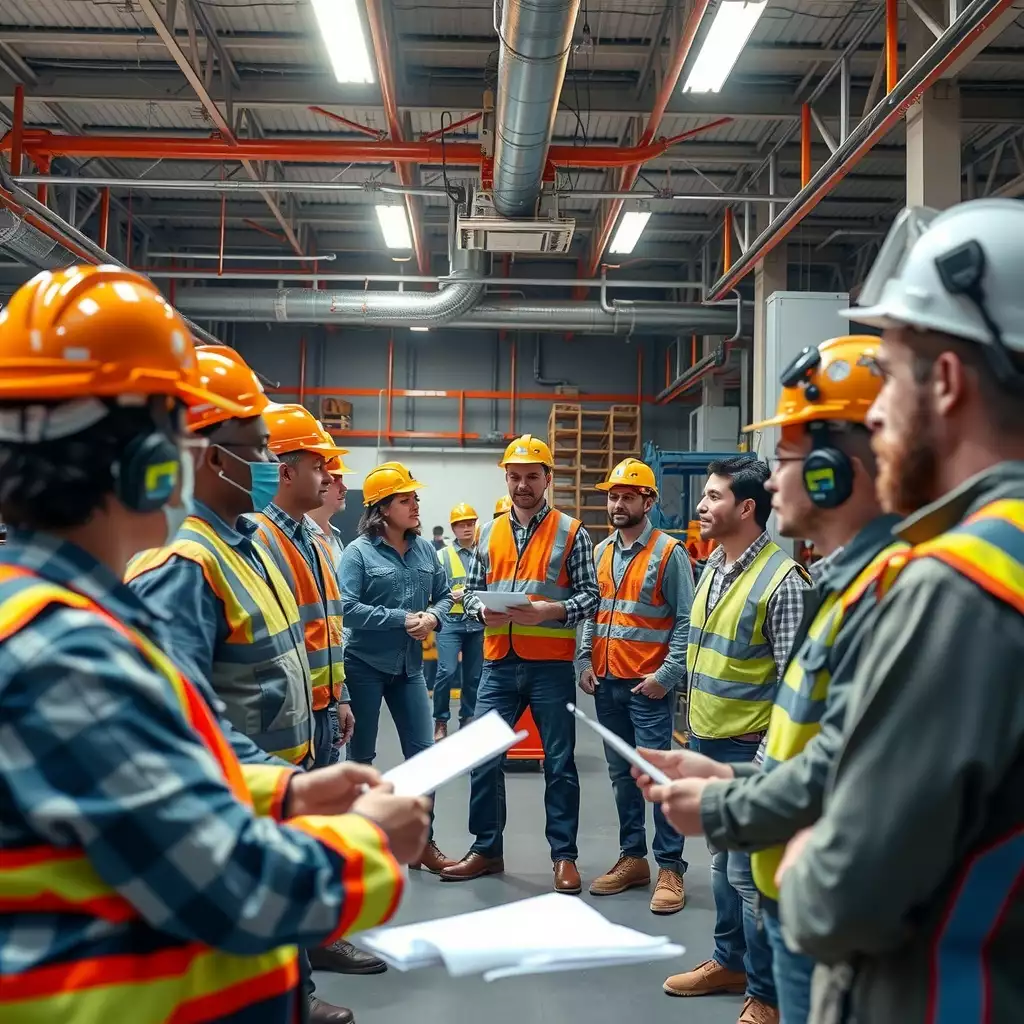
Is your organization ready to keep up with changing OSHA standards? Many businesses may not realize their safety training programs are lacking, which can put compliance and employee health at risk. As rules evolve and work environments change, it’s crucial for companies to routinely update their training materials. By taking a proactive approach that covers key safety topics, like Personal Protective Equipment (PPE), hazard communication, and emergency procedures, businesses stay compliant and build a strong safety culture. When employees participate in interactive training sessions, they gain the knowledge to spot hazards and respond effectively. This creates a workforce prepared to handle current challenges and future opportunities.
Understanding OSHA Training Requirements
OSHA training requirements focus on maintaining safe and healthy work environments. Organizations must understand the specific rules for their industry to ensure compliance and protect workers. Training is an investment in your team that builds confidence and skills.
To meet OSHA standards, businesses should develop training programs centered on key areas like Personal Protective Equipment (PPE), hazard communication, emergency procedures, and guidelines tailored to workplace risks. Employers should provide engaging instruction, interactive sessions improve knowledge retention and empower employees with practical skills.
Staying updated on changing regulations is crucial. Ongoing education keeps safety measures aligned with current federal guidelines and addresses new hazards as workplaces evolve. This continuous learning fosters a strong safety culture where everyone contributes to maintaining workplace integrity.
Understanding these requirements helps organizations comply with the law and protects them from potential employee health and safety issues due to negligence. By focusing on effective OSHA training strategies, you build a resilient workforce ready to face challenges now and in the future.
The Importance of Personal Protective Equipment
Personal Protective Equipment (PPE) is your first line of defense against workplace dangers, making it a key part of any safety plan. When employees wear the right PPE, like helmets on construction sites or gloves when handling chemicals, they significantly lower their chances of injury or illness. This approach meets OSHA standards and fosters a workplace culture that prioritizes safety.
Employers should assess which types of PPE are needed for different job roles. Providing training on proper use ensures workers know how to wear and maintain their equipment.
Incorporating PPE into safety practices aligns with broader health guidelines, like those in Brooklyn Health and Safety Rules for Employers. This creates a strategy that addresses potential risks while boosting employee morale. Knowing they have protection against hazards makes workers feel valued and secure.
Regularly checking that all gear is functional and suitable as job conditions change is essential. Training sessions can provide valuable feedback; employees can express concerns about comfort or effectiveness, leading to improvements in workplace safety strategies.
The Pros & Cons of OSHA-Compliant Safety Training
Pros
-
Boosts employee safety by cutting down on workplace dangers.
-
Keeps you in line with OSHA rules, lowering the chance of legal trouble.
-
Fosters a safety-first mindset among staff members.
-
Offers hands-on training about using personal protective equipment and handling emergencies.
-
Enhances overall workplace spirit and productivity by creating safer spaces.
Cons
-
Needs continuous funding for training programs and resources.
-
Risks creating complacency if it's not updated or evaluated frequently.
-
Can consume a lot of time, which might affect productivity during training sessions.
-
May feel overwhelming for employees if the information is too complicated or extensive.
-
Following compliance doesn’t completely remove all workplace hazards.
Fire Safety Regulations You Must Know
Employers must prioritize fire safety measures to protect people and property, as required by OSHA regulations. They should maintain accessible fire extinguishers that match the types of flammable materials in the workplace. Portable extinguishers should be within reach, and additional resources like buckets of sand or water may be necessary for specific risks. Regular checks ensure these devices function properly and are ready for use.
Ventilation is crucial for preventing fires caused by toxic fumes or dust during tasks like welding or cutting. Effective local exhaust systems can reduce risks by keeping harmful substances below safe levels, creating a safer working environment. Training employees to identify potential ignition sources and understand emergency responses fosters a proactive team prepared for fire-related incidents.
Raising awareness about hazard communication enhances the organization’s fire safety plan. When workers know where hazardous materials are stored and how they interact, it reduces the risk of fires. Regular training sessions reinforce this knowledge, equip employees with practical skills for emergencies, like locating evacuation routes, and strengthen their commitment to maintaining high safety standards essential for addressing workplace fires.
Ventilation Standards for Safe Workspaces
Ensuring ventilation systems meet OSHA standards is crucial for a safe workplace, especially where toxic fumes and dust accumulate. Well-designed local exhaust systems reduce airborne contaminants and create healthier environments that boost productivity. Regularly checking air quality and adhering to OSHA’s permissible exposure limits is essential. Training employees on the importance of good ventilation helps them identify poor airflow situations and take action, strengthening a culture of safety.
Businesses should customize their approach based on their activities; this may involve increasing ventilation during high-risk tasks like welding or handling chemicals. As workplaces evolve, reviewing existing safety protocols is important, regular audits help identify gaps in ventilation effectiveness. Conducting thorough assessments allows companies to address these issues quickly while ensuring everyone understands best practices for managing air quality in their space Audit Safety Policies Across Brooklyn Locations. By prioritizing training programs focused on effective ventilation strategies, employers foster an environment that promotes health and safety at all levels.
Evaluating Compliance: Training Effectiveness Metrics
| Aspect | Description | Requirements/Guidelines | Notes |
|---|---|---|---|
| Personal Protective Equipment | Ensure use of appropriate PPE based on tasks. | Use filter lenses with suitable shade numbers for welding. | Start with a darker lens and adjust for visibility. |
| Fire Safety | Maintain fire extinguishing equipment in flammable areas. | Keep pails of water or sand and portable extinguishers ready. | Tailor equipment to the nature and quantity of materials. |
| Ventilation | Install adequate ventilation systems to control toxic fumes. | Local exhaust or general ventilation must meet air quality standards. | Increased rates may be needed for hazardous materials. |
| Hazard Communication | Inform employees about hazardous materials used in processes. | Provide access to labels and safety data sheets (SDS). | Training should cover associated hazards. |
| Comprehensive Training | Provide training on proper PPE use, hazard communication, and emergency procedures. | Cover recognition of exposure incidents and emergency protocols. | Essential for employee safety. |
| Welding Filter Lenses | Select appropriate filter lenses for radiant energy protection during welding. | Refer to Table E-1 for guidelines on selecting shades. | Consider filters that absorb harmful yellow light. |
| Exposure Limits | Monitor and control exposure levels to remain below established limits. | Mandatory local exhaust ventilation and airline respirators for certain materials. | Atmospheric tests may confirm acceptable levels. |
| Eye Safety in Dental Practices | Ensure protective eyewear is worn by patients during procedures. | Disinfect reusable eye protection between patients. | Staff must handle contaminated eyewear carefully. |
| Universal Precautions | Treat all human blood and body fluids as potentially infectious. | Implement engineering controls like sharps disposal containers. | Reduces risks of occupational exposure. |
| Personal Protective Equipment Usage | Use masks and eye protection devices during procedures involving potential contamination. | Essential when splashes or sprays are possible. | Training on exposure risks is critical. |
| Recordkeeping Requirements | Maintain accurate records related to employee exposures. | Document incidents involving contaminated sharps in a sharps injury log. | Ensures confidentiality while tracking injuries effectively. |
Effective Hazard Communication Strategies
A strong hazard communication plan ensures all employees understand the risks of hazardous materials in their workplace. Employers should provide clear information about these substances through labels, safety data sheets (SDS), and relevant training programs. This includes teaching workers how to read labels and understand hazards outlined in SDS documents. By promoting open conversations about chemical safety, companies empower employees to reduce potential dangers and enhance awareness.
Regular refresher courses can improve employees’ understanding of hazard communication over time. As regulations change or new materials are introduced, ongoing education keeps everyone updated on best practices and emergency procedures for handling hazardous situations. Encouraging feedback during these sessions reinforces learning and allows for necessary changes based on real experiences, fostering a culture focused on maintaining high health and safety standards throughout the organization.
Welding Operations Safety Protocols
Welding work involves serious safety risks due to high heat and toxic fumes. Employers must ensure that all workers have the appropriate personal protective equipment (PPE). This gear should include filter lenses that protect against harmful light while allowing visibility. Choosing the correct lens shade is crucial; if it’s too dark, visibility suffers, so employees need to find a balance that ensures safety.
Fire safety is also essential when welding. Companies should provide easy access to firefighting tools for flammable materials, like extinguishers or containers filled with sand or water.
Good ventilation systems are vital for controlling hazardous fumes produced during welding. Local exhaust systems must be set up properly to reduce airborne contaminants and maintain air quality within OSHA standards. Workers should be trained to recognize poor ventilation signs and improve airflow during risky procedures.
Creating an environment focused on clear communication about hazards is essential for raising awareness of dangerous substances used in welding jobs. Employers must ensure labels are clear and Safety Data Sheets (SDS) are accessible, along with ongoing education about chemical interactions; this gives workers knowledge and encourages vigilance when handling risks.
Training sessions covering emergency response strategies specific to welding incidents should be part of any thorough program. Teaching employees how to act quickly builds confidence during unexpected situations and reinforces commitment to strong safety practices.
Safety Training Myths Under the OSHA Microscope
-
Many people think that once employees finish safety training, they’re good for life. But OSHA says ongoing training and refreshers are crucial to keep up with new rules and workplace changes.
-
Some believe only high-risk jobs need safety training; yet, OSHA requires all workplaces, no matter how safe, to provide proper safety training so everyone stays protected.
-
There’s a belief that online safety training is enough by itself. In reality, OSHA recommends mixing online learning with hands-on practice to boost knowledge and skills.
-
A lot of people assume just having safety training records means they're following OSHA guidelines, but that's not true! OSHA insists that companies not only keep these records but also show that employees understand and can use what they've learned on the job.
-
Some think of safety training as a one-time deal, but OSHA highlights its importance as part of workplace culture, that it should evolve based on lessons from incidents and employee feedback.
Eye Safety in Healthcare Settings
Eye safety in healthcare is crucial due to the risk of contact with blood and infectious materials. Everyone, doctors and support staff, must wear appropriate protective eyewear during procedures that may cause splashes or sprays. Regular prescription glasses are inadequate; extra eye shields or goggles provide necessary protection. This step prevents injuries and fosters a culture of safety for both staff and patients.
Keeping reusable eye protection clean is vital to reduce the risk of spreading infections between patients. Staff should always wear gloves when handling dirty eyewear and follow CDC cleaning guidelines. Training employees on proper use and care of their gear equips them with essential hygiene knowledge and encourages responsibility. Knowing how to manage incidents effectively creates an environment where staff feel secure from job-related hazards.
Regularly checking eye safety measures and conducting thorough training ensures compliance with OSHA regulations while adapting to new challenges in healthcare settings. Employers should emphasize ongoing education about exposure risks related to eye safety so workers can recognize warning signs early and know how to respond. Prioritizing eye safety leads to safer workplaces, allowing health professionals to focus on providing quality patient care without worrying about their own well-being.
Handling Hazardous Materials Safely
To keep everyone safe when dealing with hazardous materials, organizations must focus on training that helps employees spot and manage risks. This includes understanding hazard communication protocols, labeling requirements, and Safety Data Sheets (SDS). Regular refresher courses are essential because new substances may appear or regulations may change; ongoing education keeps everyone updated on best practices. Encouraging open discussions about chemical safety empowers your team to take proactive steps in protecting themselves and their coworkers from hazards.
Employers must follow local OSHA standards based on their location. Businesses in Brooklyn should pay attention to rules that differ from federal guidelines. Knowing these specifics is vital for effective risk management strategies. Resources like Meet New York OSHA Rules at Brooklyn Sites can clarify regulatory requirements relevant to your operations while promoting a strong culture of health and safety throughout all levels of employment.
Enhancing Your Safety Training
To boost safety training, assess how your current practices align with OSHA standards. It’s essential to create a workplace where safety is part of everyday life. Design flexible training programs that evolve with changing conditions and regulations, ensuring employees can identify and address potential hazards.
Engage learners by combining hands-on simulations with traditional teaching methods. This approach allows workers to practice relevant skills in an interactive setting. Using technology like e-learning modules or virtual reality enhances understanding and accommodates different learning styles. Encouraging questions about safety protocols gives employees confidence when facing challenges on-site.
Regular refresher courses are crucial for keeping everyone updated on hazard communication, PPE usage, emergency response procedures, and industry-specific risks. These sessions maintain awareness of best practices and provide feedback opportunities, allowing employers to identify areas needing improvement in safety measures.
Teamwork between management and frontline workers fosters transparency around workplace hazards. Involving staff in identifying risks encourages ownership of their protection choices and provides valuable insights that enhance overall health and safety strategies. By customizing training based on specific needs and committing to ongoing education, companies build resilience against new threats while maintaining a strong focus on creating safe workplaces for all employees.
FAQ
What are the general requirements for safety training under OSHA standards?
Offer thorough safety training on using personal protective equipment (PPE), following fire safety guidelines, communicating hazards, and understanding emergency procedures. This will help meet OSHA standards and ensure safety.
How do I select the appropriate filter lenses for welding operations?
To choose the right filter lenses for welding, check Table E-1. It offers guidelines for different welding jobs and ensures you select a shade number that protects you from harmful radiant energy.
What protocols should I follow for eye safety in dental practices?
You prioritize eye safety by ensuring every patient wears protective eyewear during procedures. You clean and disinfect reusable eye protection between patients and follow guidelines for handling eye injuries that may occur.
What measures can I take to handle hazardous materials safely in the workplace?
Put universal precautions into action, use sharps disposal containers to manage risks, wear personal protective gear, and ensure your team learns about exposure risks and how to handle materials safely.
How can I ensure my organization’s safety training programs comply with OSHA regulations?
Ensure your organization’s safety training meets OSHA regulations by regularly updating training materials to match the latest standards. Conduct thorough training sessions for all employees to keep everyone informed and safe.