
Meet New York OSHA Rules at Brooklyn Sites
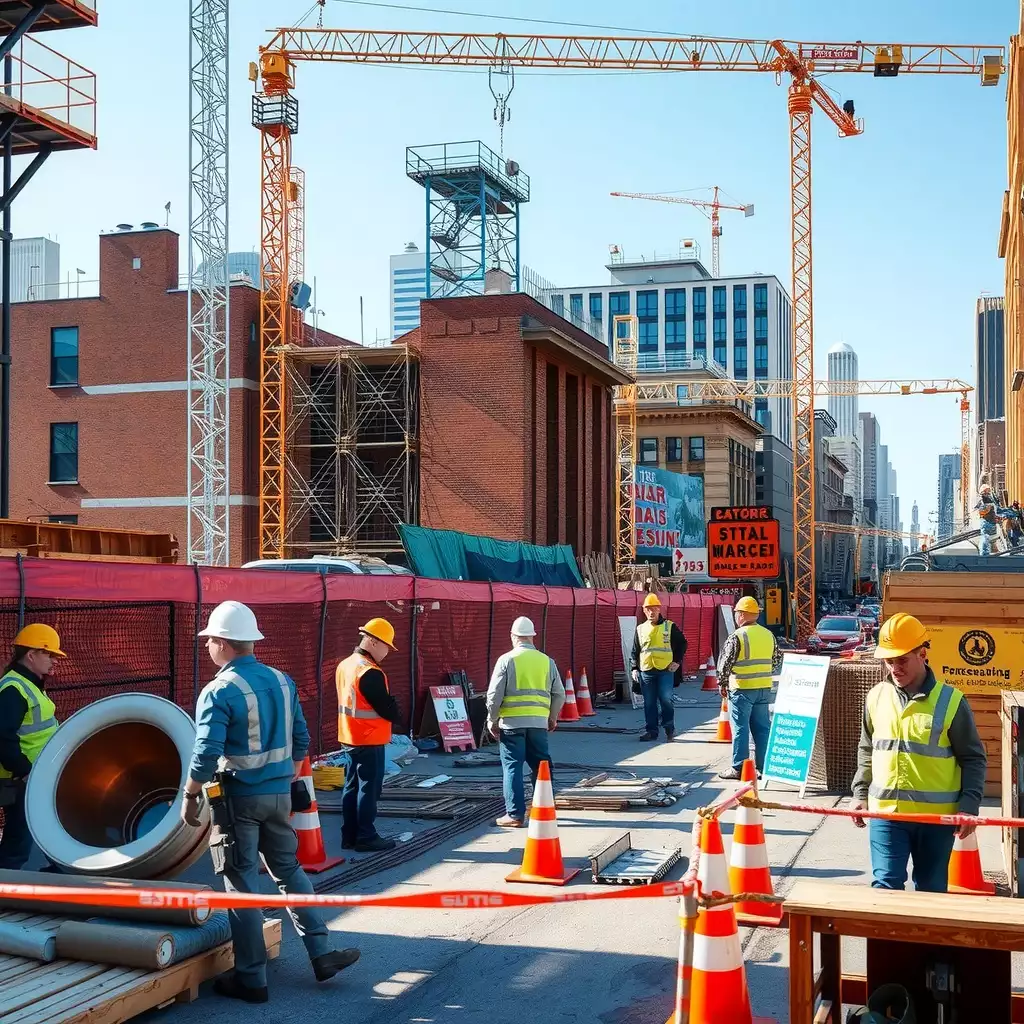
Understanding Brooklyn workplace safety is essential for businesses in Brooklyn. Following these rules keeps employees safe and boosts the organization’s reputation. Recent updates stress the importance of reporting incidents quickly and protecting workers from violence on the job. Employers should prioritize safety training and ensure proper use of personal protective equipment (PPE). By implementing strong strategies, like regular site inspections and thorough employee education programs, companies can create a safe work culture that reduces risks while meeting OSHA and PESH standards.
Understanding OSHA and PESH Differences
The Occupational Safety and Health Administration (OSHA) sets federal safety standards for many industries. In New York, the Public Employee Safety and Health Bureau (PESH) creates rules specifically for public sector employees. While OSHA focuses on private businesses, PESH caters to government workers like city employees and school district staff. This ensures that all workers are protected by guidelines suited to their environments.
Recent updates in both OSHA and PESH aim to improve workplace safety. Changes in inspection rights promote consistency between state and federal operations. New laws expanding protections against workplace violence reflect efforts to protect vulnerable sectors like education. Employers must keep up with these changing requirements; understanding how PESH works alongside OSHA is crucial for compliance and helps create safer job sites throughout Brooklyn’s diverse work field.
Recent Updates in Safety Regulations
Starting April 30, 2025, there will be changes to inspection walkaround rights. This update in PESH regulations aligns with OSHA standards, making it easier for employers to comply while enhancing workers’ rights during inspections. These improvements are crucial for creating safer workplaces. These updates strengthen protections against workplace violence in public education sectors, which previously had fewer employer responsibilities.
Employers must prepare for new recordkeeping requirements beginning July 31, 2024. These rules mandate timely reporting of serious incidents, pushing organizations to take accountability seriously and improving safety culture through prompt responses. Beyond these legislative changes, initiatives like the Heat National Emphasis Program demonstrate a commitment to reducing environmental hazards for outdoor workers year-round, empowering businesses in Brooklyn to prioritize employee health while meeting compliance standards.
The Pros & Cons of Enhanced Workplace Safety Regulations
Pros
-
Strengthened protections for workers against violence and environmental risks.
-
Boosted adherence to federal OSHA standards, ensuring uniformity.
-
Enhanced transparency and encouraged worker participation during inspections.
-
Offered free consultation services to help identify hazards and ensure compliance.
-
Provided regular training updates that promote a culture of safety and readiness.
-
Reducing common dangers can lower the number of workplace injuries and deaths.
Cons
-
Training and compliance needs could lead to higher operational costs.
-
New recordkeeping and reporting rules might create extra administrative work.
-
Employers could face financial pressure from penalties if they don’t comply.
-
Smaller businesses may struggle with implementation due to limited resources.
-
Employees might resist new safety protocols or reporting processes.
-
Keeping up with changing laws will likely demand more time and effort.
Rights During OSHA Inspections
Workers have important rights during OSHA inspections that help keep workplaces safe. When an inspector arrives, employees can participate in the inspection and request their representative to join them. This right allows workers to raise concerns or identify hazards without fear of backlash. They can also refuse unsafe work if they see immediate danger, this is a key protection for their safety.
In New York, these inspection procedures align with PESH regulations, enhancing transparency and accountability at state and federal levels. Employees must be informed about any violations found during inspections; this helps them understand workplace safety standards. Employers should prepare for surprise visits from inspectors who check compliance thoroughly, failure to follow the rules can lead to fines and serious health and safety issues across Brooklyn’s industries.
Workplace Violence Prevention Strategies
Employers must take strong steps to prevent workplace violence, especially in public sectors where employees face specific dangers. They should create a clear policy for preventing violence, establishing straightforward ways to report incidents and address threats quickly. Regular training sessions can help staff recognize early signs of potential violence, making safety a priority. Involving employees in discussions about safety measures empowers them and fosters a culture of awareness that discourages violent actions.
Organizations should utilize PESH’s consultation services as part of their prevention plan. These resources provide valuable insights tailored to each worksite’s needs, like improving lighting in parking lots or ensuring adequate staffing during busy times when risks may be higher. Open communication among team members is vital; it allows everyone to report unsafe conditions without fear of backlash. By integrating these strategies into everyday operations and staying updated on regulations designed to protect workers from violence, businesses contribute to community safety partnerships.
Key OSHA Compliance Metrics for Brooklyn Sites
| Compliance Aspect | Description | Effective Date | Relevant Authority | Notes |
|---|---|---|---|---|
| Inspection Walkaround Rights | Modified regulations to align with OSHA inspection rights. | April 30, 2025 | PESH | Proposed in December 2024 |
| Workplace Violence Prevention Law | Extended to include elementary and secondary education sectors; removed previous exemptions. | January 4, 2024 | New York State | Legislation signed on September 6, 2023 |
| Heat National Emphasis Program | Protects workers from heat-related illnesses during outdoor work or near radiant heat sources. | June 8, 2022 | OSHA | Inspections assess protective measures |
| Recordkeeping Requirements | New requirements for reporting serious incidents to align with OSHA standards. | July 31, 2024 | PESH | Specific timeframes for reporting |
| Training Requirements | Minimum training hours required for construction workers; SST Worker card needed after training completion. | March 1, 2021 | NYC Council | Local Law 196 enacted December 2019 |
| Consultation Services | Free consultations available to help employers identify hazards and comply with safety regulations. | Ongoing | PESH | Consultations are confidential |
| Enforcement Actions | Unannounced inspections may lead to Notices of Violation and penalties for non-compliance. | Ongoing | PESH | Penalties up to $200 per day |
| Reporting Mechanisms | Encourage anonymous reporting systems for unsafe conditions aligned with PESH guidelines. | Ongoing | PESH | Foster a culture of safety reporting |
Heat Stress Protection Measures
Employers must take action to protect workers from heat-related illnesses, especially during hot summer months when exposure is highest. The Heat National Emphasis Program requires businesses to assess their work environments and establish hydration stations, shaded areas, and scheduled breaks for outdoor workers. Training staff to recognize signs of heat stress, like dizziness or excessive sweating, is essential, as early detection can prevent serious health issues. When organizations prioritize employee well-being, they build a strong safety culture.
Employers must document incidents related to heat stress and monitor conditions specific to each job site. Companies should create clear protocols for addressing dangers from extreme temperatures by utilizing resources like PESH consultations or OSHA guidelines. By focusing on hot weather safety initiatives and regular training sessions that emphasize awareness and preparedness, companies comply with regulations and foster an environment where employees feel valued and safe from environmental risks.
Importance of Recordkeeping Compliance
Keeping records is crucial for ensuring safety at work and holding organizations accountable. Starting July 31, 2024, employers must report serious incidents, like deaths or hospitalizations, within eight hours and major injuries within twenty-four hours. This process fosters a culture of openness and allows companies to respond quickly when issues arise. By documenting incidents accurately, businesses can identify trends, recognize dangers, and take preventive action.
Strong recordkeeping also enhances an organization’s reputation during inspections by agencies like OSHA and PESH. Accurate records demonstrate that safety protocols are being followed, proving the company’s commitment to employee well-being during compliance checks across Brooklyn. Fostering an environment where employees feel safe reporting unsafe conditions encourages vigilance about safety issues. Thorough recordkeeping helps companies meet legal requirements and builds trust among workers while reinforcing their right to a secure workplace.
Unveiling Brooklyn's OSHA Mysteries and Facts
-
Construction sites in Brooklyn follow OSHA rules, ensuring workers receive safety gear and training to avoid accidents and injuries.
-
Many believe only large companies must follow OSHA standards, but in Brooklyn, even small businesses with one employee must adhere to these regulations.
-
The Brooklyn Navy Yard exemplifies where OSHA plays a crucial role, hosting manufacturers and construction projects that must meet strict health and safety guidelines.
-
Some think OSHA inspections happen randomly; yet, in reality, inspections in Brooklyn usually occur due to complaints, accidents, or tips from other agencies.
-
Workers in Brooklyn benefit from OSHA's multilingual resources, providing essential safety information in various languages for the area's diverse population.
Common Violations in Brooklyn Worksites
Construction sites in Brooklyn often face safety violations that put workers at risk and can lead to issues with OSHA and PESH regulations. A major problem is the lack of proper fall protection, which causes many injuries. Employers frequently fail to set up guardrails or harness systems for scaffolding and elevated areas. Inadequate training on equipment operation increases accident risk, especially if workers are unfamiliar with tools or lack proper certifications.
Another issue is insufficient personal protective equipment (PPE). Employers sometimes neglect to provide essential gear like helmets, gloves, and eye protection for specific tasks. This increases risks and can result in fines during inspections. Poor recordkeeping also creates problems; failing to document incidents accurately can lead to penalties and hinder companies from recognizing workplace hazard trends.
Transportation-related incidents are among the leading causes of fatalities on job sites throughout New York State, highlighting the need for vehicle safety measures. Backover accidents occur too often due to improper traffic control around active work zones. Recent legislation regarding heat stress prevention during extreme weather underscores the importance of protecting outdoor workers’ health, emphasizing why construction companies in Brooklyn must implement strong safety practices to reduce these risks.
Essential Training for Construction Workers
Training is crucial for construction workers to create a safe work environment, especially with the unique challenges on job sites in Brooklyn. According to Local Law 196, all personnel must complete at least thirty hours of approved safety training specific to their roles. This training covers topics like fall protection and proper equipment handling that address common hazards in the industry. When workers earn an SST Worker card, it shows they have undergone education not just to meet legal standards but also to improve workplace safety.
Employers play a vital role in providing access to legitimate training programs recognized by OSHA and PESH. Training shouldn’t stop after initial certification; regular refreshers keep workers informed about changes in regulations or new risks. Interactive sessions can make learning engaging while reinforcing important practices, encouraging employees to discuss safety protocols boosts awareness and accountability within teams.
Hands-on learning experiences during training help fill knowledge gaps; simulations give workers a chance to practice responding under pressure without real-world consequences. By prioritizing thorough educational offerings alongside mentoring from experienced professionals, organizations demonstrate commitment to maintaining high occupational health and safety standards across Brooklyn’s busy construction scene.
A proactive approach toward building a culture of continuous improvement will benefit compliance and employee morale. Well-informed staff feel empowered to tackle daily challenges confidently with skills learned through dedicated instruction aimed at protecting themselves and their colleagues on-site.
Avoiding Fraudulent Safety Certifications
Fraudulent safety certifications endanger workers and put companies at risk of legal issues. A recent case in Brooklyn highlighted this danger when someone was sentenced for distributing fake OSHA safety cards without providing proper training. This situation underscores the importance of employers working only with accredited programs that comply with OSHA and local agencies like the Department of Buildings (DOB). By choosing legitimate training options, businesses protect their employees and strengthen their position against potential legal issues from non-compliance.
Employers must be vigilant when verifying certification claims from trainers or consultants. They should ensure education continues through authorized sources. Regularly reviewing employee credentials can help identify inconsistencies and reduce risks related to fake documents. Establishing clear policies on acceptable training sources promotes responsibility within organizations; encouraging staff to report suspicious activity helps maintain transparency. Fostering a culture focused on genuine training practices empowers businesses in Brooklyn’s construction industry, ensuring compliance while protecting their most valuable asset: their workforce.
Proactive Compliance for Brooklyn Businesses
Proactive compliance is crucial for businesses in Brooklyn navigating workplace safety rules. By staying ahead of OSHA and PESH regulations, employers can foster a culture of employee health and safety while reducing liabilities. Regularly checking for new laws, like updates to inspection processes or recordkeeping requirements, helps companies adjust practices, ensuring compliance and avoiding penalties.
Employers should establish strong internal policies to address common hazards in construction, like fall prevention and vehicle safety. This proactive approach reduces risks and empowers employees to report unsafe conditions. Involving workers in safety discussions fosters ownership over their well-being and encourages responsibility for maintaining high standards at job sites.
Utilizing consultation services from PESH enhances proactive compliance; these resources provide tailored advice based on Brooklyn’s diverse workforce. Following recommendations from trained professionals familiar with local regulations allows companies to identify gaps in practices before inspections, a strategy that protects both employees and the organization’s reputation during regulatory evaluations.
Incorporating ongoing training into daily operations demonstrates a commitment to improving workplace safety. Scheduling regular refresher courses keeps staff informed about changing requirements and reinforces essential skills needed for safe work under various conditions. This dedication builds trust among team members, boosts morale, and helps retain experienced personnel committed to occupational health solutions across Brooklyn’s industries.
FAQ
What are the key updates to PESH regulations that employers in Brooklyn need to know?
Brooklyn employers should be aware of updates to PESH regulations. First, inspection walkaround rights now align with OSHA standards, making it easier for workers to understand their rights during inspections. Second, the Workplace Violence Prevention Law has been broadened to include more public sector workplaces, creating safer environments. The Heat National Emphasis Program is being implemented to address heat-related risks on the job. There are new recordkeeping requirements for serious incidents. Stay informed and ensure your workplace meets these updated regulations!
How does the Workplace Violence Prevention Law affect public sector workplaces in New York?
The Workplace Violence Prevention Law now covers more public sector workplaces in New York. Employers must take steps to keep employees safe from possible violence.
What are the new recordkeeping requirements for employers starting July 31, 2024?
Beginning July 31, 2024, employers must report serious incidents quickly. If there’s a fatality or hospitalization, they need to do it within eight hours. For cases where someone loses consciousness or suffers a significant injury, the report should be made within twenty-four hours. This is part of the new recordkeeping rules that must be followed.
Why is it important for construction workers to complete Local Law 196 training requirements?
Construction workers must complete Local Law 196 training. This training provides skills and knowledge to maintain job site safety and comply with regulations.
What should employers do if they receive a Notice of Violation from PESH?
Employers should address the issues in the Notice of Violation from PESH and take corrective steps within the timeframe to remain compliant.
How can businesses access consultation services offered by PESH?
Businesses can get free help from PESH by visiting their website or calling the hotline at 1-844-SAFE-NYS. They assist in spotting hazards and ensuring compliance with safety regulations.