
Brooklyn Warehouses Scramble Over Injury Cut Program
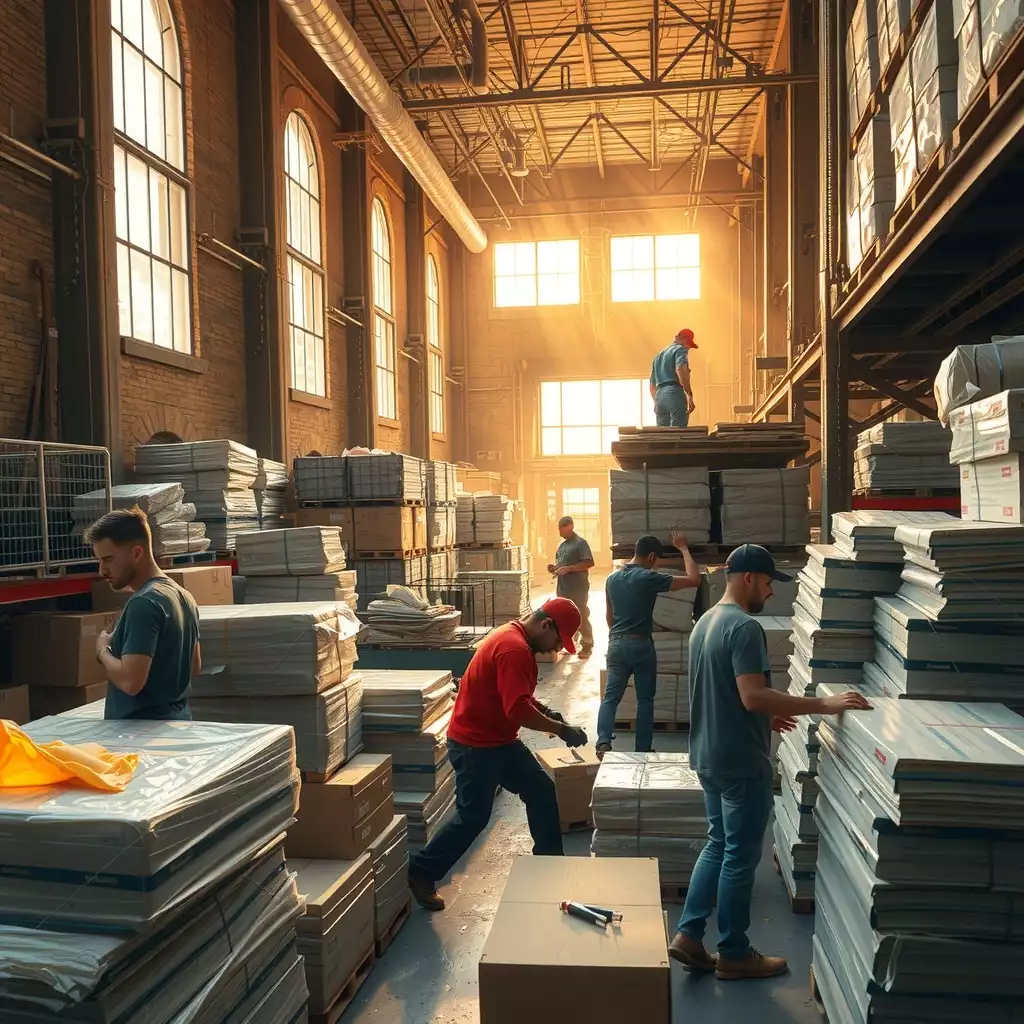
In the Brooklyn warehouse scene, 1,311 amputations highlight the need for better safety measures. Warehouse operators are working to implement a program aimed at reducing injuries, but they face challenges in balancing employee safety with running an efficient operation. This article explores the obstacles that warehouse owners, labor unions, and local businesses encounter while examining community responses to changes in workplace safety. Through case studies and expert opinions, readers will discover the dynamics shaping one of New York’s vital industrial sectors.
Analyzing Key Injury Data in Warehouses
The data on workplace injuries in Brooklyn’s warehouses reveals serious challenges for employees and operators. Many incidents occur due to interactions with machinery or other workers, resulting in severe injuries like fractures, amputations, and burns. The 1,311 reported amputations highlight the dangers of equipment mishaps, a warning for employers who neglect safety measures. Common issues like slips on wet floors and lapses in focus during busy times further emphasize this problem.
Case studies show concerning examples: an employee at FedEx Freight was crushed by heavy loading dock plates. This incident underscores the importance of following safety protocols, one moment of negligence can lead to life-changing injuries. Employers face health issues and financial consequences from these accidents; lost workdays result in lower productivity, higher insurance costs, and potential legal battles.
With regulatory bodies tightening oversight on warehouse safety standards, including those set by OSHA, the need for better training programs is clear. Investing in personal protective equipment designed for specific tasks could greatly improve workplace safety, helping prevent near-misses from being overlooked. Strong reporting systems encourage openness about hazards while fostering a culture that values worker well-being.
Urgent injury statistics reveal deeper problems within Brooklyn’s industrial scene that require immediate action through innovative solutions aimed at making workplace safety proactive rather than reactive.
Understanding Prevalent Injury Categories
In the busy warehouses of Brooklyn, certain injuries are particularly common, highlighting the need for better safety measures. Fractures and amputations lead the pack, with 1,311 reported cases of amputation illustrating the dangers of these workplaces. These injuries often occur when workers interact with heavy machinery or misuse tools, situations that become risky if safety protocols are ignored. Thermal burns frequently result from contact with hot surfaces. These accidents not only endanger workers but also impact employers financially due to lost productivity and higher insurance costs.
The reasons behind workplace injuries are complex; slips and falls rank high among incidents caused by wet floors or messy work areas. Human error exacerbates the issue when workers become distracted or overlook safety rules while using equipment. An example is an employee injured at Walmart Distribution Center while working on conveyor belts, underscoring the importance of enforcing strict safety practices. As discussions about improving training programs increase within the industry, addressing these common injury types is essential, not just to meet regulations but to create a safer work environment that prioritizes health over speed.
The Pros & Cons of Warehouse Safety Measures
Pros
-
Better safety measures cut down on workplace injuries.
-
Upgraded employee training helps everyone handle equipment and hazards more effectively.
-
Frequent safety checks spot potential risks before they become problems.
-
Investing in personal protective gear keeps workers safer on the job.
-
A strong safety culture boosts employee morale and overall productivity.
Cons
-
Employers might face some upfront costs when putting safety measures in place.
-
Employees may push back against new protocols, making it tough to get everyone on board.
-
Ongoing training takes time away from regular tasks, which can temporarily affect productivity.
-
Following regulations could mean extra paperwork and responsibilities for management.
-
Even with safety measures, not all risks disappear, so incidents may still happen.
Identifying Factors Contributing to Injuries
When looking at workplace injuries in Brooklyn’s warehouses, we need to understand and tackle their root causes to create safer spaces. Many accidents occur with equipment, employees get hurt because safety rules are ignored when using machines. Environmental hazards also play a role; messy work areas or wet floors increase the chances of slips and falls, leading to serious injuries like sprains, fractures, or amputations. Human error exacerbates the issue; distractions during tasks can cause workers to lose focus, resulting in unsafe situations.
Real-life examples highlight the need for better reporting systems in all warehouse jobs. Employers should establish clear channels for documenting not just actual injuries but also near-misses, this information can help shape future training programs aimed at preventing similar incidents. For anyone involved in navigating these workplace safety policies, it’s essential to know how to properly report incidents in Brooklyn so that every occurrence is recorded accurately and addressed quickly through effective injury management programs. By taking these steps, both employers and employees can help build a culture focused on health and well-being rather than just meeting regulations. Report Workplace Incidents in Brooklyn Correctly
Examining Notable Injury Cases
In the busy warehouses of Brooklyn, injury cases highlight the risks in industrial work. At Walmart Distribution Center, an employee suffered a serious hand injury while working on conveyor belts, this incident underscores the need for safety measures in daily routines. Similarly, at FedEx Freight, a worker was trapped under heavy loading dock plates, causing severe knee injuries and raising concerns about safety protocols. These incidents reflect broader issues across the industry that require urgent attention.
The number of injuries, like fractures and amputations, shows we must take action now. Last year, there were 1,311 amputation cases, these figures reveal harsh realities for workers facing dangerous machinery without proper protection or training. Thermal burns from hot surfaces during regular tasks expose gaps in safety culture and equipment handling among employees at various facilities. Such events highlight significant problems in warehouse environments where productivity often takes precedence over workers’ health.
Human factors play a critical role; distractions can lead to accidents when safety guidelines are not followed. Someone tripped over cluttered spaces, environmental hazards make high-pressure jobs riskier. This occurred at Brookdale Senior Living Solutions when a fall led to hospitalization for serious hip repair surgery after navigating crowded common areas.
These examples reveal common themes related to workplace injuries: neglecting training programs and lacking effective reporting systems limit our ability to prevent harm. Poor communication hinders companies’ responses after accidents, a missed opportunity to improve practices aimed at reducing risks in Brooklyn’s warehouses.
As stakeholders seek better safety measures amid increasing scrutiny from agencies like OSHA (Occupational Safety and Health Administration), understanding these real-life situations is crucial for developing policies that create safer workplaces, not just quick fixes after incidents but proactive approaches focused on protecting employees through strong enforcement of best practices within industrial settings.
Impact of Injury Cuts on Warehouse Operations
| Injury Type | Number of Incidents | Common Causes | Example Incident | Recommended Action | Additional Notes |
|---|---|---|---|---|---|
| Fractures | 111 | Equipment-related accidents | Fractured fibula at FCI Otisville | Enhanced Training Programs | Focus on safe operation practices |
| Amputations | 1311 | Improper handling of tools | Fingertip amputated while using a band saw | Regular Safety Audits | Identify hazards before they escalate |
| Thermal Burns | 1520 | Contact with hot surfaces | Employee burned from hot materials during tasks | Investment in Safety Equipment | Provide adequate PPE |
| Soreness/Pain | 1972 | Slips, trips, falls | Worker tripped over mat leading to hospitalization | Reporting Mechanisms | Encourage near-miss reporting |
| Human Error | N/A | Distractions or lapses in attention | Employee injured while distracted during operation | Employee Wellness Programs | Reduce fatigue-related errors |
| Environmental Factors | N/A | Wet floors | Slip-and-fall incidents due to wet conditions | Regular Safety Audits | Continuous hazard assessment |
Effects of Injuries on Operations
Injuries in Brooklyn’s warehouses impact more than just physical health; they disrupt workflow, leading to decreased productivity and higher costs. The rise in serious injuries, like fractures, amputations, and burns, with 1,311 amputation cases highlights the need for employers to prioritize safety measures. They must address health issues, legal responsibilities, and rising insurance rates.
Common hazards like wet floors or messy work areas, combined with human errors from distractions during tasks, significantly increase risks. To tackle this challenge, warehouse operators must collaborate with local agencies to follow safety rules while creating an environment that prioritizes employee well-being over mere compliance. This idea is at the heart of the initiative called Coordinate Safety Roles with Brooklyn Agencies. By focusing on collaboration, all parties can develop strategies that reduce injury risks and improve efficiency across Brooklyn’s industrial scene.
Compliance with Safety Regulations
In Brooklyn’s warehouses, following safety rules is crucial as workplace injuries rise. Over 1,300 amputations and many thermal burns have been reported. This situation highlights the need for warehouse operators to adhere to standards set by OSHA. Employers understand that not enforcing strong safety measures puts workers at risk and can lead to costly lawsuits and higher insurance rates. Ignoring these regulations disrupts operations and causes productivity losses that hurt local businesses.
To address these issues, warehouse managers should improve training programs focused on compliance and foster a culture of ongoing safety learning. Regular audits are essential for identifying environmental hazards and checking equipment functionality to spot potential risks before accidents occur. Establishing straightforward reporting systems encourages discussions about near misses and incidents, an important step for enhancing workplace safety. By adhering to regulations and developing innovative injury prevention strategies, everyone can work together to create safer workplaces where employees feel secure and valued.
Brooklyn's Warehouse Injury Program Sparks Curiosity
-
Brooklyn's Warehouse Injury Program examines the risky world of warehouse jobs, showing that injuries occur more often during busy shipping times. This information attracts safety advocates and workers.
-
Many believe only a few warehouse employees get hurt, but statistics reveal nearly 20% face some injury each year. This challenges common beliefs about workplace safety.
-
The program showcases new safety measures in warehouses, like ergonomic tools and automated systems, which interest industry professionals looking to reduce injuries.
-
A common myth is that all warehouse injuries are serious; yet, the program points out many incidents involve minor strains or sprains. This raises questions about hazards in these workplaces.
-
Recent studies from the program show regular safety training reduces injuries and boosts employee morale and productivity, something both employers and workers find valuable.
Proposed Measures for Enhancing Safety
Better training programs are key to making warehouses in Brooklyn safer. When workers receive education on operating machinery, they can spot hazards and reduce their chances of injury. Regular hands-on workshops that combine safety practices with theory create a workplace where employees feel confident using equipment safely. Encouraging open conversations about safe work conditions allows team members to share experiences and ideas, leading to improvements in safety rules.
To strong training efforts, regular safety audits are essential for identifying potential dangers before they escalate. These audits should assess workspace organization and equipment functionality while involving employees in the process, this builds accountability throughout warehouse operations. Establishing clear reporting methods for injuries or near-misses encourages honesty; this openness helps prevent future incidents and fosters a culture focused on health and well-being rather than merely following regulations.
Emphasizing Training for Workforce Safety
Training programs are vital for helping warehouse workers in Brooklyn safely handle hazardous environments. By focusing on machinery operation, employees can quickly identify risks associated with equipment use, greatly reducing their chances of injury. Interactive workshops that combine hands-on safety exercises with theoretical lessons create an environment where team members feel confident using tools responsibly. Open discussions about safe practices allow employees to share experiences and tips, fostering a culture of continuous safety improvement.
Regular safety audits are essential for identifying potential hazards in warehouses before they escalate. These evaluations should focus on workspace organization and equipment functionality while involving employees in the assessment process, this teamwork enhances accountability at all operational levels. Clear reporting systems enable workers to document injuries or near-misses without fear of negative consequences; this openness helps prevent future issues and demonstrates a commitment to prioritizing health and well-being over mere compliance.
Importance of Adequate Safety Gear
In the fast-paced world of Brooklyn warehouses, having the right safety gear is crucial. Personal protective equipment (PPE) acts as a first line of defense against dangers workers face daily. Injury statistics show alarming levels of fractures, amputations, and burns, 1,311 cases highlighting serious accidents from machinery, making solid safety gear essential. Workers wearing well-fitted helmets, gloves, goggles, and specialized clothing are better equipped to handle job-related risks.
When employees skip or ignore PPE due to laziness or lack of proper tools, they endanger themselves and create problems for everyone in the warehouse. Accidents lead to lost productivity and higher insurance costs; thus, investing in quality safety gear is vital for creating a workplace where health comes before speed. Building a culture that emphasizes proper use of protective equipment can significantly improve outcomes by ensuring workers feel safe while performing their tasks.
Good safety gear also complements thorough training on how to use it effectively. When workers understand how specific items keep them safe, they’re more likely to follow established protocols during tasks involving heavy machinery or hazardous materials. This combination fosters a strong approach to preventing injuries by addressing both human mistakes and environmental hazards common in Brooklyn’s industrial scene.
As regulatory bodies monitor compliance standards amid growing concerns about employee health in warehouses nationwide, following these rules protects individuals and shields employers from potential liabilities. A commitment to investing in quality personal protective equipment becomes essential for everyone involved in these complex environments.
Summarizing the Call for Action in Safety
The concerning statistics about workplace injuries in Brooklyn’s warehouses highlight the urgent need for better safety measures. As employers and workers tackle the challenges of reducing injuries, strong training programs are crucial to lessen risks from machinery and other hazards. When safety measures are effectively implemented, they protect workers and boost productivity in warehouses, benefiting everyone involved.
Businesses must understand local health and safety regulations. By following the Brooklyn Health and Safety Rules for Employers, companies can lower legal risks while creating a healthier work environment focused on employee well-being. By improving safety practices, like conducting regular audits, establishing clear reporting methods for near-misses, and investing in personal protective equipment, stakeholders can create safer workplaces that help everyone in this industry thrive.
FAQ
What are the most common types of injuries reported in Brooklyn's warehouses?
In Brooklyn’s warehouses, workers face injuries like fractures, amputations, burns, and ongoing pain.
How do equipment-related accidents contribute to workplace injuries in these environments?
Accidents involving equipment cause injuries at work due to improper use of machines and not following safety rules. This can lead to serious incidents like broken bones, amputations, and burns.
What role does human error play in the occurrence of warehouse injuries?
Human error is a major factor in warehouse injuries. Distractions or moments of inattention create unsafe situations that lead to accidents.
What recommendations are proposed to improve safety measures in Brooklyn's warehouses?
To make Brooklyn’s warehouses safer, we suggest key steps. First, boost training programs so everyone knows how to stay safe on the job. Conduct regular safety checks to catch issues early. Invest in better safety gear, everyone deserves reliable equipment. Provide clear ways for workers to report accidents or concerns. Set up wellness programs that support employees’ health and well-being at work.
How does the regulatory environment impact workplace safety standards for warehouse operations?
The rules require warehouses to follow safety standards. This pushes companies to focus on compliance and encourages a culture where employers take responsibility for preventing injuries.
What are the operational and financial implications of high injury rates for employers in the warehouse sector?
High injury rates in warehouses cause operational issues and raise costs for employers. They face higher insurance premiums, legal fees, and lost productivity from workers taking time off due to injuries.