
Will Brooklyn Job Ads Survive the Next Wage Hike?
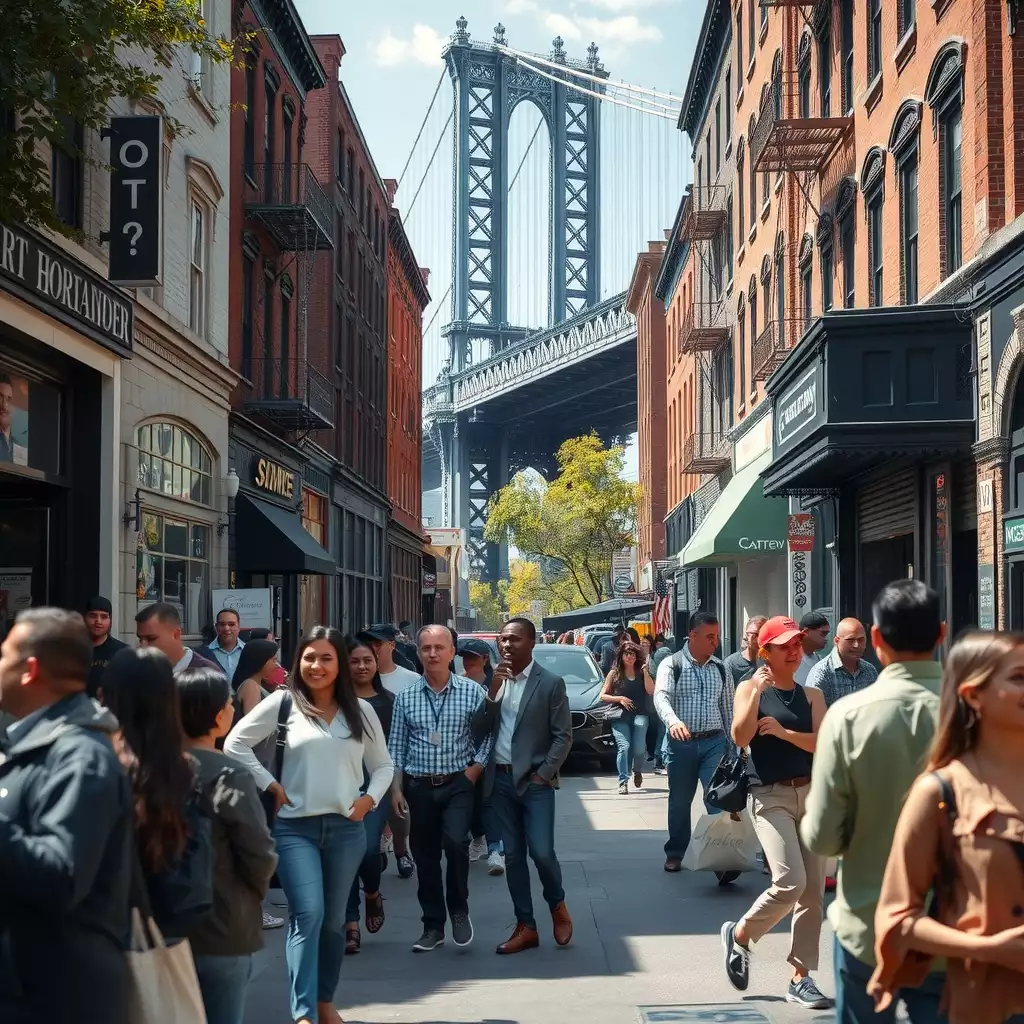
As Brooklyn prepares for the wage increase, job ads will change significantly. The Fair Wage Act sets a minimum wage of $15, forcing employers to manage higher labor costs while attracting talent in a shifting job market. This situation compels businesses to rethink employee compensation and creates opportunities for better benefits and workplace culture to attract new hires. Initial challenges, this competitive environment should benefit both companies and job seekers as they adjust to the new economic field.
Details of the Fair Wage Act
The Fair Wage Act, led by Assemblywoman Nily Rozic and State Senator Daniel Squadron, aims to set a minimum wage of $15 an hour for large employers and chain stores in New York. This law addresses the rising cost of living in the city, focusing on improving workers’ financial well-being and reducing the gap between corporate profits and employee earnings. It requires businesses making over $50 million annually to pay their workers fairly and links this wage to inflation to maintain buying power.
Supporters include local politicians and community organizations advocating for change; many believe current wages do not cover basic family needs. The economic situation is clear: housing costs are rising while low-wage workers face challenges, similar to cities like San Francisco, where higher minimum wages have positively impacted the economy. Critics worry about potential job losses or reduced hours due to increased labor costs; yet, supporters argue that raising wages could boost local economies through increased consumer spending.
If passed, the Fair Wage Act will change job advertisements throughout Brooklyn by setting new pay standards, prompting businesses to rethink hiring practices. Historical struggles against unfair working conditions resonate today as demands grow louder for fair treatment of all workers, regardless of industry or employer size. Ongoing conversations among stakeholders are essential for managing these shifts effectively while ensuring business sustainability alongside fair employment practices as the economy evolves.
Community and Political Backing Details
The Fair Wage Act has gained strong support from everyday people, demonstrating a clear demand for better pay as living costs rise. Local leaders and groups like New York Communities for Change have united around this initiative, emphasizing that many full-time workers struggle to afford basic needs. This message resonates in Brooklyn’s neighborhoods, where residents express frustrations about low wages, stories from working families highlight their financial challenges, amplifying the call for change.
As political backing builds for the Fair Wage Act, supporters see it as a step toward fairer labor practices. Senator Squadron’s comments about companies making big profits while workers earn poverty-level salaries resonate with constituents trapped in financial stress. The act aims to set new compensation standards by establishing a $15 minimum wage and linking future raises to inflation, an effort to protect worker buying power during changing market conditions.
Beyond local support, conversations about fair pay reflect national trends aimed at addressing imbalances between employee earnings and company profits. While some worry that raising wages might lead to fewer job opportunities due to higher labor costs, advocates argue that investing in fair wages can boost consumer spending, benefiting local economies through increased business activity and improving quality of life for everyone involved. It is crucial for communities to engage with policymakers to find solutions that balance workforce sustainability with social fairness amid developing economic realities.
The Pros & Cons of Brooklyn's Wage Hike Debate
Pros
-
The pay increase ensures workers earn enough to cover their basic needs.
-
It encourages people to spend more, which can help local businesses thrive.
-
This law tackles ongoing unfairness in how labor is handled.
-
Tying wages to inflation helps maintain buying power over time.
-
Community backing shows a rising desire for fair pay.
-
Higher salaries could lower poverty rates for those earning less.
Cons
-
Higher labor costs might cause businesses to hire fewer people or reduce hours for their current employees.
-
Smaller companies could find it tough to keep up with new wage requirements.
-
Many people are worried that raising wages could lead to job losses.
-
To manage the extra payroll expenses, businesses may increase their prices.
-
The new bill might create an uneven playing field between large and small employers.
-
We need ongoing discussions to ensure we support workers while keeping businesses healthy.
Cost of Living and Wage Disparity
The fight between rising living costs and stagnant wages remains a significant issue for Brooklyn’s workers, highlighting the need for new laws. With the Fair Wage Act approaching, many supporters believe that a minimum wage of $15 an hour could ease financial burdens on families. The contrast between high housing prices and low pay underscores a serious problem; workers often feel trapped in jobs that don’t provide stability.
Critics argue that raising the wage might lead employers to hire fewer people or reduce hours, but supporters contend it will boost local economies by increasing consumer spending. A higher minimum wage not only benefits employees but also strengthens communities as more money circulates within neighborhoods, aiding struggling businesses during tough economic times. This push for fairer pay addresses long-standing inequalities in labor practices while promising better living conditions for undervalued workers.
Past examples, like San Francisco’s successful wage increases, demonstrate potential outcomes like improved worker satisfaction and retention rates. It is essential for business leaders, policymakers, and community members to engage in ongoing discussions; collaboration will help create lasting solutions amid competing interests around employee rights and company profits.
As conversations about fair pay grow both locally and nationally, it’s clear we can’t address cost-of-living issues without considering wage fairness. Policymakers should explore gradual approaches or exceptions for smaller businesses when implementing changes, it’s crucial to balance protecting workers’ rights with maintaining job opportunities across various industries as market conditions shift due to rising expenses.
Effects on Hiring and Business Operations
The Fair Wage Act sets a $15 minimum wage, requiring businesses in Brooklyn to change how they hire and operate. Employers must rethink pay packages and job roles to attract skilled workers while managing higher labor costs. This challenge can spark new ideas, companies might enhance benefits or invest in employee training programs that build loyalty and engagement.
With rising wages, competition for talent will shift. Companies need smarter marketing strategies that highlight not just salaries but also workplace culture and values. Those who adapt quickly are more likely to succeed; those who don’t may struggle to retain staff or fill positions in today’s developing job market.
Higher wages could positively impact the economy by increasing workers’ spending power and boosting local shopping habits. This cycle of better earnings leading to increased consumer activity supports fair pay; yet, balancing immediate business demands with long-term sustainability is essential.
To navigate these changes effectively, ongoing conversations among employers, employees, and policymakers are crucial. These discussions foster practical strategies tailored to different industries facing unique challenges during this transition. Collaboration is vital for meeting legal requirements and building systems that support worker well-being and business growth as economic conditions evolve.
Impact of Wage Hikes on Job Listings
| Aspect | Details | Stakeholders Involved | Current Situation | Potential Outcomes | Historical Context |
|---|---|---|---|---|---|
| Legislation | The Fair Wage Act mandates $15/hour for large employers and chain stores. | Assemblywoman Nily Rozic, Senator Squadron | Many workers earn below proposed threshold | Could alter job ads by setting new wage standards | Past movements against child labor reflect ongoing struggles for fair wages |
| Support for the Bill | Supported by local politicians and community organizations advocating for fair compensation. | New York Communities for Change, labor advocates | Current wages are insufficient for families | Increased consumer spending benefiting local economies | Evolution of labor laws shows commitment to improving worker rights |
| Economic Context | Rising living costs in NYC make it hard for low-wage workers to sustain themselves. | Community members, local businesses | Disparity between corporate profits and employee wages | Businesses may adapt hiring strategies | Historical references highlight past labor struggles |
| Community Voices | Frustration over low pay despite full-time work; emphasis on not remaining impoverished. | Community members | Families struggle to make ends meet | Possible changes in hiring practices | Ongoing dialogue essential for sustainable solutions |
| Broader Implications | Reflects national momentum toward raising minimum wages amid rising urban living costs. | Policymakers, business owners | Skepticism about feasibility without job loss | Collaborative efforts needed for balance | |
| Recommendations | Consider phased implementations or exemptions for smaller businesses to mitigate negative impacts. | Policymakers | Need for dialogue among stakeholders | Sustainable solutions for worker welfare |
Analysis of Existing Wage Conditions
The wage situation in Brooklyn is a major issue as rising living costs outpace stagnant salaries. Many workers earn less than the proposed $15 minimum wage, making it difficult to cover basic expenses while working full-time. As discussions about the Fair Wage Act intensify, this law aims not just to increase pay but also to address long-standing unfair workplace practices exacerbated by high housing prices and low compensation packages. The gap between company profits and employee earnings highlights an urgent need for change; without action, many families will continue to struggle financially.
As businesses prepare for potential changes due to new laws, they must assess their compliance with current pay regulations. Companies need to navigate these shifts carefully or risk falling behind in attracting skilled workers amid fierce competition. For those unsure if they meet updated standards, resources like New York Pay Rules: Are Your Salaries Now Non-compliant? can provide guidance. Understanding these legal requirements is essential, not just for avoiding fines but also for fostering a fair work environment where employees feel valued.
With market dynamics shifting due to initiatives like the Fair Wage Act, all stakeholders should engage in ongoing conversations to balance successful business operations with fair treatment of workers. Employers who closely examine their salary structures may find ways to comply with new laws while boosting employee satisfaction through better retention rates, a win-win scenario for Brooklyn’s diverse communities economically and socially.
Voices and Experiences of Local Workers
Workers in Brooklyn are frustrated with their pay. Many have full-time jobs but struggle to cover basic living costs. They share stories of juggling multiple responsibilities while falling short financially. This community believes no one should face money troubles when working hard; these experiences highlight the urgent need for laws like the Fair Wage Act. Families feel the pinch as prices, especially housing, rise, and testimonies show how low wages trap them in a cycle of poverty.
As talks about raising wages gain momentum, local workers view the proposed $15 minimum wage as a symbol of hope for better lives and economic security. Supporters argue that fair pay improves individual well-being and boosts neighborhoods by increasing spending power. They envision communities where extra cash stays local instead of going to corporations profiting from low salaries. This change could transform work life in Brooklyn, creating an environment where employees feel valued and empowered to succeed despite economic changes.
Discovering Brooklyn's Job Market Myths Today
-
Many think raising wages will cause job ads to vanish in Brooklyn, but research shows businesses usually adapt, like boosting efficiency or increasing prices, instead of cutting jobs.
-
Some believe only big companies will feel the impact of wage increases, but small businesses in Brooklyn can also find creative ways to keep employees and maintain job postings.
-
There’s a belief that higher pay automatically reduces turnover; yet, studies show factors like job satisfaction and workplace culture are just as important for retention.
-
People assume when wages go up, the quality of job ads goes down. In reality, many employers see this as a chance to attract top talent by improving job descriptions and offering better benefits.
-
It’s thought that wage hikes mainly help low-income workers, but data indicates these increases can boost the economy by leading to more consumer spending and stronger job creation across all industries.
Shifts in Compensation Standards
The upcoming Fair Wage Act will change how people get paid in Brooklyn, introducing a minimum wage of $15 that aligns with the cost of living in New York. As businesses adjust to this law, they must rethink their pay systems and hiring practices. To remain competitive and attract talent, companies may enhance benefits and improve workplace culture, making these aspects vital for standing out in a tighter job market.
Some worry that higher payroll costs could hinder hiring or impact operations. Supporters believe these changes can help organizations adopt sustainable practices focused on employee welfare. By offering fairer wages linked to inflation, companies invest in their employees and boost local economies through increased consumer spending. This shift goes beyond legal requirements; it reflects broader movements for fairness across industries.
This change in wage distribution has roots in past reforms aimed at promoting equitable treatment for workers facing economic challenges. Looking ahead, it is crucial for business leaders and policymakers to collaborate as they adapt to these new standards. By engaging with different viewpoints, they can address potential issues during implementation while seizing opportunities created by this move toward fair pay in Brooklyn’s diverse communities.
Context of Wage Hikes Across the U.S.
The growing talks about raising wages in New York fit into a bigger story happening all over the U.S. Activists are pushing for fair pay to help people cope with rising costs and create economic fairness. As cities face higher expenses, especially for housing and necessities, many workers struggle financially, making it hard to get ahead. Proposed wage increases aim to improve individual lives and boost local economies by increasing consumer spending.
There’s debate about what these changes could mean for employers who might be worried or unable to adjust their budgets; they fear that hiring could become tricky as businesses rethink strategies with new wage laws in place. To learn more about how these changes might impact job recruitment specifically in New York, check out Are New York’s 2025 Wage Hikes About to Hit Hiring?.
Finding solutions will require teamwork among everyone involved, balancing worker rights with business needs while working toward fair pay across cities nationwide.
Implications for Brooklyn's Job Landscape
The upcoming Fair Wage Act is set to transform Brooklyn’s job scene by establishing a minimum wage of $15, addressing the challenges many workers face. Businesses will need to rethink how they pay employees and run operations as they adapt to these new rules. Employers may feel pressured to develop strategies for attracting talent and keeping employees engaged through better benefits or opportunities that build loyalty.
As companies adjust, it’s important to adopt hiring practices that focus on workplace culture alongside competitive pay. This shift could lead businesses to implement creative marketing strategies that highlight their appealing work environments beyond salary. The competition for top talent will intensify; those who adapt quickly are likely to succeed in this fast-paced market, while others may struggle to retain good workers as expectations rise among job seekers.
Raising wages also has broader economic benefits, when workers have more money, they tend to spend more locally, boosting community life and helping small businesses thrive. Increased local spending can revitalize communities through fair pay models that prioritize worker well-being without compromising business success.
Given the history of movements advocating for fair labor standards, it’s vital for all parties, including employers, policymakers, and community advocates, to maintain dialogue during this transition. Collaboration is key to finding lasting solutions that protect employee rights while ensuring organizations remain viable and promote fairness across Brooklyn’s changing economy.
FAQ
What are the main provisions of the proposed Fair Wage Act in New York?
The Fair Wage Act proposed in New York will require companies earning over $50 million annually and chain stores with 11 or more locations to pay workers at least $15 an hour. This wage will adjust based on inflation, ensuring employees’ earnings keep pace with rising costs.
How will the Fair Wage Act potentially impact job availability and business operations in Brooklyn?
The Fair Wage Act could make businesses in Brooklyn rethink hiring and operations. As they adjust to higher labor costs, we might see fewer job openings or changes in job structure.
What are some community sentiments regarding wage increases as expressed in the document?
Community members will share frustrations about low pay, despite working full-time jobs. They believe no one should struggle to make ends meet while working a full week.
How might businesses need to adjust their hiring strategies if the Fair Wage Act is enacted?
Businesses should rethink how they hire. This may mean focusing on fewer candidates, providing better pay and benefits, and exploring automation or ways to work more efficiently. These steps can help manage higher labor costs from the Fair Wage Act.
What historical movements are referenced to provide context for the current push for fair wages?
To understand the fight for fair wages, we can look back at struggles against child labor and poor working conditions. These movements show that society has long been dedicated to improving workers’ rights.