
Update Brooklyn Plans When Demand Shifts Quickly
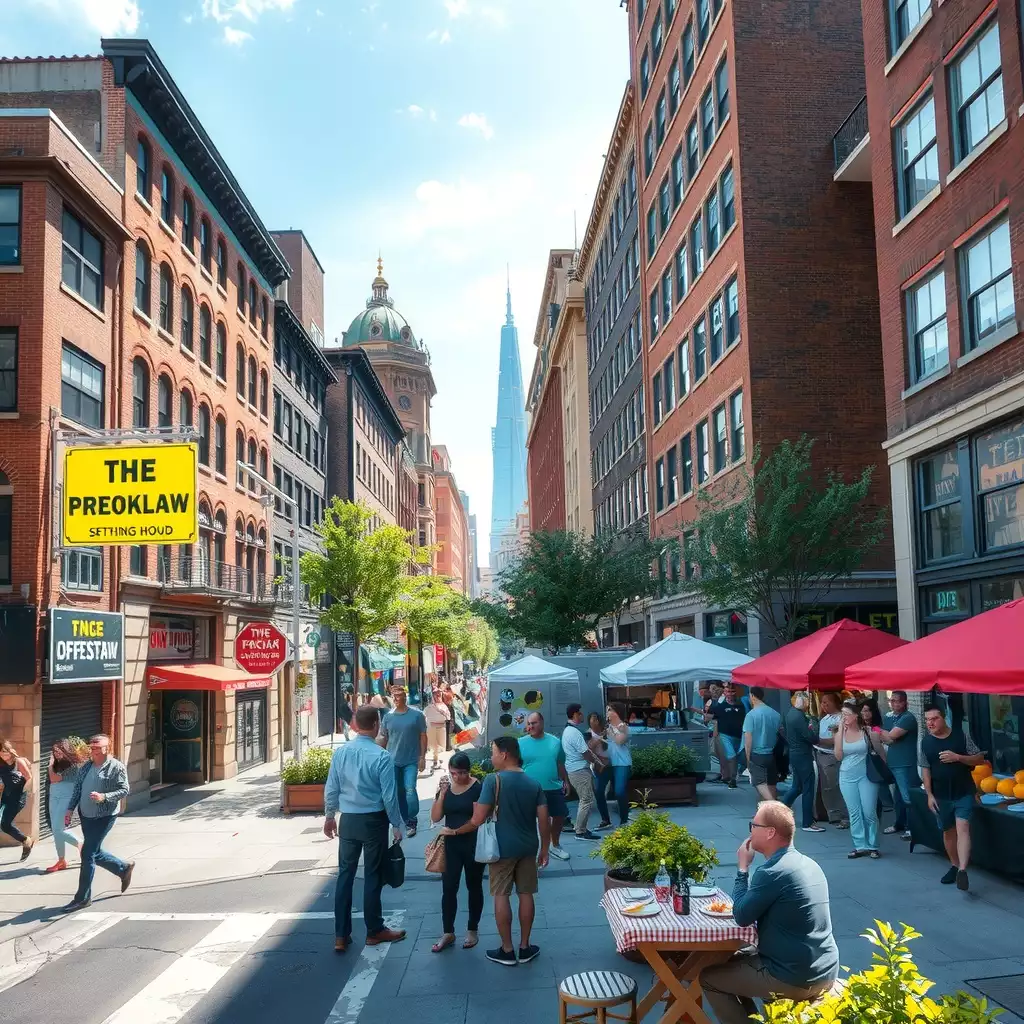
As Brooklyn’s cityscape changes, this article highlights the importance of flexible workforce planning to meet the transportation needs of its residents. With new people moving in and demands shifting, planners need to work with local communities while using data analysis to develop solutions that support sustainability and connectivity. You’ll find examples like the Cuyahoga Greenways Plan, which shows how collaboration among city leaders, developers, and community members can create urban spaces that reflect the needs of all Brooklyn residents.
Understanding Brooklyn's Changing Demographics
Brooklyn is changing rapidly as new residents move in and community needs evolve. This shift reflects larger trends like urban migration, gentrification, and increased diversity. Younger people seek lively city experiences, while older residents want easy access to services. Planners must stay alert to these developments.
Balancing job opportunities and cultural changes presents challenges and opportunities for creative solutions in public services.
To navigate this complex demographic field, it’s crucial to understand how Brooklynites prefer to get around. More residents are choosing sustainable transportation options like biking or walking instead of cars. Engaging with local communities through participatory planning helps uncover the unique needs of different neighborhoods. Using data analytics and feedback from locals allows urban planners to create strategies that address current issues and anticipate future demographic shifts influencing Brooklyn’s infrastructure development.
Effective Community-driven Transportation Planning
Community-driven transportation planning is key to addressing Brooklyn’s mobility challenges. When residents participate in decision-making, planners can create solutions that reflect local needs. This approach empowers communities and highlights diverse transportation preferences across the borough’s neighborhoods.
A notable example is the Cuyahoga Greenways Plan, which demonstrates how public involvement provides valuable insights into community priorities. Workshops and surveys allow urban planners to identify areas in Brooklyn’s transport network that require improvement or expansion. Focusing on safety and accessibility ensures all demographics feel included, especially those who might otherwise be overlooked.
Combining data analytics with community feedback enhances strategic planning by offering an accurate view of current usage patterns and forecasting future demands. This evidence-based method helps prioritize projects effectively, a necessity for navigating Brooklyn’s developing field. Creating lists of priority projects based on community input fosters transparency and trust among stakeholders during implementation.
Maintaining flexible funding sources is vital for quick adaptation without bureaucratic delays. Encouraging partnerships between agencies, including Brooklyn staffing agencies, improves collaboration across sectors involved in urban development, leading to more effective strategies that meet resident expectations.
The Pros & Cons of Adaptive Urban Mobility
Pros
-
Boosts community involvement in planning transportation.
-
Encourages a connected and cohesive mobility system.
-
Aids sustainability efforts by cutting down on car dependency.
-
Provides flexibility for adapting projects to meet new needs as they arise.
Cons
-
It needs ongoing funding and resources to adapt successfully.
-
Stakeholders used to traditional transportation methods might resist these changes.
-
Putting the plan into action can be tricky because of Brooklyn's varied governance system.
-
Data-focused strategies might miss important feedback from the community.
Strategies for Improving Transport Connectivity
Improving transportation in Brooklyn requires a well-rounded approach that connects different travel options. An integrated transport system can facilitate transitions between biking, walking, and public transit. Successful examples like the Cuyahoga Greenways Plan show how to build paths that link key locations while promoting active transportation. Safe routes for pedestrians and cyclists will encourage healthier lifestyles and reduce reliance on cars, an essential step toward sustainability.
Smart data analysis in planning helps identify busy areas and prioritize projects based on community needs. Geographic Information Systems (GIS) enable urban planners to align current usage patterns with future trends, enhancing decision-making accuracy. This plan should be adaptable; as Brooklyn evolves, so should our strategies. Maintaining open communication with communities ensures that all voices are heard, leading to equitable access across neighborhoods and improved transportation throughout Brooklyn.
Addressing Diverse Community Needs
Brooklyn is a mix of community needs, so it’s crucial for city planners to include everyone in the conversation. By listening to local voices through workshops and surveys, urban development projects can create solutions that fit each neighborhood’s unique vibe. When planners engage with residents, they identify important issues and help people feel invested in their community. This ensures the plans reflect what residents want while addressing their challenges.
Using data-driven methods enhances collaboration by providing evidence to guide decisions. Urban planners can analyze transportation trends and demographic changes to identify areas needing improvement. This focus on flexibility ensures resources are allocated wisely to meet both short-term needs and long-term goals. This approach helps create a fairer environment where all Brooklynites feel valued as positive changes occur throughout their borough.
Adapting Strategies for Rapid Demand Changes
| Focus Area | Key Insight/Recommendation | Description | Example from Cuyahoga Plan | Potential Application in Brooklyn | Expected Outcome |
|---|---|---|---|---|---|
| Community Engagement | Enhance Public Engagement | Foster ongoing dialogue with residents through various platforms. | Community workshops and surveys | Use digital platforms for feedback | Increased community involvement |
| Integrated Mobility Strategy | Develop an Integrated Mobility Strategy | Create a strategy encompassing walking, cycling, and public transit for seamless connectivity. | On-road bicycle facilities and trails | Comprehensive transport strategy | Improved mobility options |
| Data Analytics | Implement Data Analytics Tools | Utilize GIS and analytics to assess usage patterns and predict demand trends. | Analysis of 300 trail opportunities | Identify high-demand areas | Optimized resource allocation |
| Priority Projects | Establish Priority Projects List | Develop a list of priority projects based on feedback and strategic importance. | Identification of 69 priority projects | List of Brooklyn’s priority projects | Streamlined project execution |
| Flexible Funding Mechanisms | Create Flexible Funding Mechanisms | Explore innovative funding solutions for agile responses to changing demands. | Public-private partnerships | Innovative funding solutions | Timely project implementation |
| Safety & Accessibility Standards | Emphasize Safety & Accessibility Standards | Ensure new developments adhere to safety standards and are accessible for all. | Safe facilities for all ages and abilities | Strict adherence to safety standards | Enhanced user experience across demographics |
Using Analytics for Informed Decision-making
Data analytics is essential for urban planning, enabling better decision-making as demands change. Tools like geographic information systems (GIS) help planners analyze data on current space usage and future needs. This approach allows decision-makers to identify urgent areas while defining long-term goals. As Brooklyn evolves, incorporating these insights into project planning ensures resources are used wisely, addressing new challenges and meeting community needs.
Involving the community adds value when combined with data analysis. Resident feedback provides context to the numbers, creating a clearer picture of local transportation issues. When planners prioritize projects based on evidence and stakeholder input, they promote transparency and accountability. This method smooths development and builds trust within communities, ensuring solutions connect with those they’re meant to help while adapting to Brooklyn’s changing environment.
Establishing a Framework for Project Selection
Creating a strong system for choosing projects is key to handling changes in Brooklyn’s urban environment. By focusing on community involvement during planning, projects can meet local needs and adapt to shifting demographics and transportation trends. This collaborative approach helps residents feel invested, encouraging them to share their thoughts on transportation options in different neighborhoods.
Using data analytics as part of this selection system allows planners to pinpoint critical areas effectively. Geographic Information Systems (GIS) provide visuals showing current usage patterns alongside future demands, making it easier to allocate resources based on immediate issues and long-term goals. Combining data with feedback from community members increases transparency and accountability throughout implementation, building trust among all parties working toward common goals.
Staying flexible is crucial when adjusting project priorities due to changing demand; adaptive strategies should be built into the selection process. Ongoing monitoring and reassessment help teams make timely adjustments based on real-time conditions while ensuring investments meet developing resident expectations. This adaptable structure will support sustainable growth in Brooklyn, nurturing its communities through innovative solutions tailored to their needs.
Unveiling the Truths of Brooklyn's Adaptive Strategies
-
Brooklyn's urban planners use real-time data to track changes in demand, allowing them to quickly adjust public services and infrastructure.
-
The borough has a "pop-up" strategy where they set up temporary spaces, like parks or markets, to meet community needs, encouraging local involvement and boosting the economy.
-
Brooklyn’s neighborhoods feature adaptive reuse projects that turn old warehouses and factories into mixed-use areas, meeting the demands for housing and business spaces.
-
While some think Brooklyn’s strategies come only from leaders at the top, grassroots organizations play an important role in expressing community needs and shaping policies that align with locals.
-
Many believe rapid development in Brooklyn harms its cultural heritage; yet, most of the borough's plans focus on preserving history while embracing new ideas, ensuring historical sites blend with modern designs.
Adapting to Evolving Transportation Demands
As Brooklyn’s transportation scene changes with its growing population, the need for smart strategies is clear. The borough faces diverse travel needs, showing a rising interest in sustainable options while still relying on traditional transit methods. Planners must listen to local voices to understand community concerns, ensuring solutions fit local needs instead of imposing generic infrastructures. This interaction shapes both current projects and future plans based on developing urban life.
Learning from successful examples like the Cuyahoga Greenways Plan can help create connected transport networks throughout Brooklyn. These networks should focus on safe walking paths, protected bike lanes, and efficient public transit systems, all aimed at making it easy to switch between different modes of transport. By collaborating with stakeholders, from city officials to residents, these efforts can fill gaps in existing services while promoting active lifestyles across neighborhoods.
Using advanced data tools enhances this process by providing planners with insights into current usage patterns and future demands. Geographic information systems (GIS) identify where infrastructure upgrades are needed and highlight high-priority projects that meet immediate needs while supporting long-term sustainability goals. By continuously monitoring user experiences after new implementations, adjustments can be made quickly; this responsiveness builds trust within communities who see their input resulting in real improvements.
Maintaining flexibility in project selection is crucial as transportation demands change over time. As preferences shift or new challenges arise in Brooklyn’s environment, decision-makers must adapt without red tape slowing down necessary initiatives, a dynamic approach ensures resilience and creates an inclusive atmosphere where all residents feel empowered to shape their urban experience.
Working Across Municipal Boundaries Effectively
Working together across city lines is key to tackling Brooklyn’s urban issues. By building partnerships with local governments, community groups, and private developers, planners can create a unified approach to transportation and infrastructure that transcends individual city limits. Collaboration facilitates project execution and resource sharing, leading to solutions that address the diverse needs of residents throughout the borough. This teamwork ensures planning reflects regional dynamics while encouraging sustainable growth.
For successful collaboration, cities must maintain open communication. Regular meetings with all parties build trust and address shared problems like transportation access and environmental concerns. Technology, like data-sharing platforms, provides real-time insights into demographic changes and trends in neighboring areas, helping decision-makers understand current conditions without relying on limited views tied to specific borders.
Flexible funding options are crucial for supporting cross-boundary efforts, allowing agencies to adapt quickly without bureaucratic delays. Creative financing methods may involve pooling resources from different areas or forming innovative public-private partnerships that align with broader economic revitalization goals in Brooklyn’s neighborhoods. Such financial flexibility helps communities remain resilient against unexpected challenges while investing in their unique qualities.
Effective collaborations across boundaries require dedication from all involved and respect for each area’s context and aspirations, focusing on improving quality-of-life outcomes across Brooklyn’s diverse cultures.
Promoting Environmentally Friendly Transport Options
Choosing eco-friendly transport options is crucial as Brooklyn adapts to its urban scene. By focusing on walking and cycling, city planners can meet the need for sustainable travel while boosting community health. Building a safe network of bike lanes and walkways will inspire residents to use these modes more often, reducing dependence on cars. Successful projects like the Cuyahoga Greenways Plan show how improving infrastructure can increase non-motorized transportation usage and promote environmental awareness.
Involving local communities in planning ensures that new solutions reflect residents’ desires for green transport choices. Using real-time data allows decision-makers to identify busy areas needing upgrades, tailoring projects based on actual habits. This strategy supports smart investments focused on sustainability, ensuring equal access across Brooklyn. As government agencies, community organizations, and private developers collaborate, they create plans aimed at building connected transport networks for future generations dedicated to protecting the environment amid urban growth.
Adapting to Brooklyn's Urban Needs
Brooklyn’s urban field is changing rapidly, making it crucial to adapt strategies. The borough is welcoming diverse populations and facing new demands for infrastructure and services. This developing situation brings challenges and opportunities, so planners must create frameworks that meet the unique needs of different communities. Ongoing conversations with residents ensure projects reflect their current hopes and anticipate future trends.
Urban planners can look at successful models like the Cuyahoga Greenways Plan, which emphasizes community involvement in transportation development. By building partnerships with local stakeholders, like city officials and grassroots groups, Brooklyn can develop a unified approach focused on inclusivity and accessibility throughout its neighborhoods. Data analytics also help; analyzing usage patterns and demographic shifts through Geographic Information Systems (GIS) provides insights into where improvements are needed.
Flexible funding allows planning agencies to act quickly without being hindered by red tape on essential initiatives. This adaptability is vital when responding to fast-changing demands or unexpected challenges within Brooklyn’s environment. Focusing on active transport options like biking and walking addresses environmental issues, boosts public health, and connects neighborhoods effectively.
Staying adaptable during project implementation builds resilience against uncertainties in urban planning today. As collaborative efforts grow across municipal lines, it’s important for all involved to remain committed to shared goals aimed at improving quality-of-life outcomes in Brooklyn, respecting each community’s unique character while striving for sustainable growth.
FAQ
What are the main factors driving demand shifts in Brooklyn's transportation needs?
Brooklyn’s transportation needs are changing due to population growth, economic expansion, and a desire for greener transit options.
How does the Cuyahoga Greenways Plan inform Brooklyn's Update plans?
The Cuyahoga Greenways Plan guides Brooklyn’s update plans by showcasing community-focused and data-driven transportation planning. It highlights the importance of fairness, connectivity, and adaptability to meet changing urban mobility needs.
What recommendations are made to enhance public engagement in transportation planning?
To improve public involvement in transportation planning, keep the conversation going with residents. This can be done through workshops, surveys, and online platforms where people can share their thoughts and preferences about their needs.
Why is flexibility important in the implementation of Brooklyn's transportation projects?
Flexibility is crucial in Brooklyn’s transportation projects. It allows planners to respond quickly to new needs and shifts in the community, ensuring that solutions remain useful and effective.