
New York Retailers Rebuild Schedules After Starbucks Deal
Key Takeaways
- Retailers in New York are changing staffing and store hours based on data to boost efficiency and meet customer demands.
- Local businesses are focusing on community engagement, partnering with nonprofits and launching social responsibility programs that connect with socially-aware consumers.
- The move towards inclusivity and ethical practices is reshaping brand identities, helping independent retailers stand out from chains while building loyalty among shoppers.
Understanding the Pivotal Moment
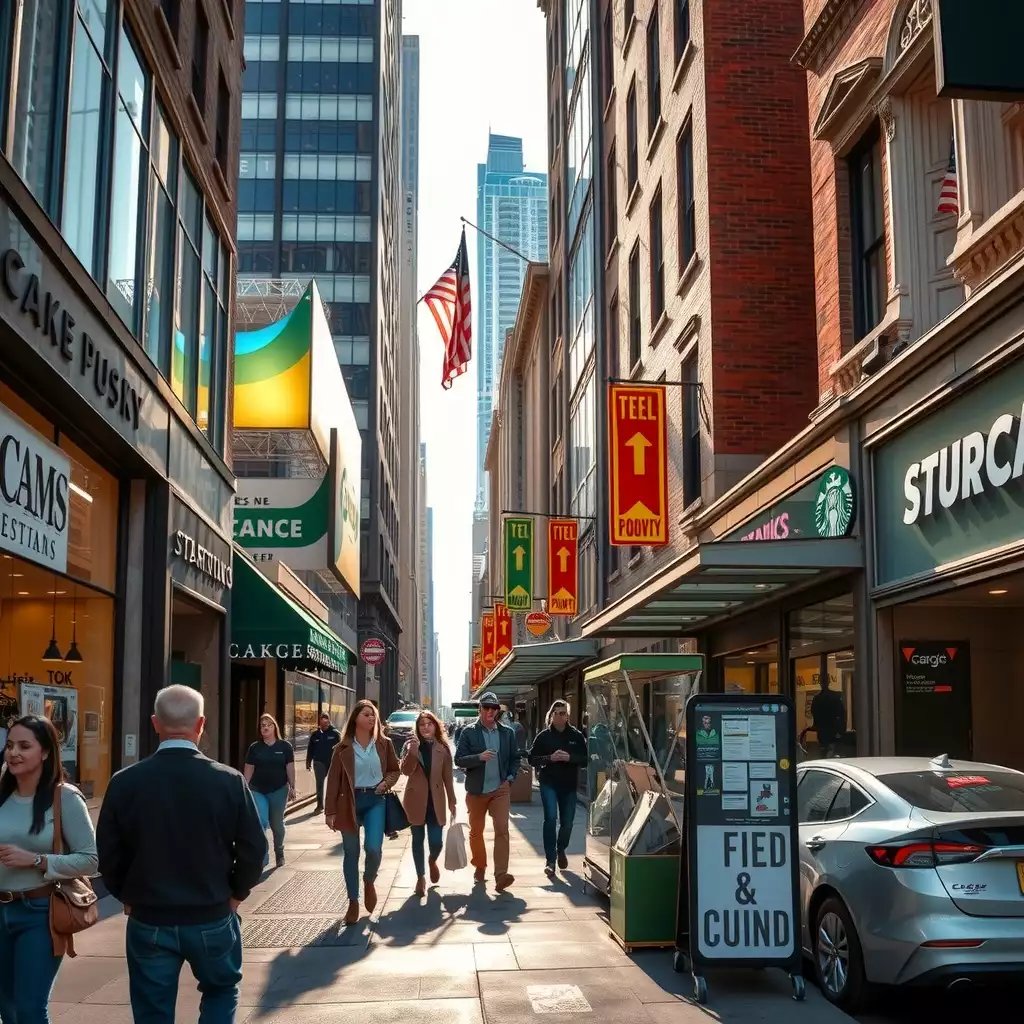
Recent changes in New York’s retail scene highlight a crucial moment for local businesses following the Starbucks incident. With some big-name stores temporarily closing, retailers must rethink their operations and customer connections. They are adjusting hours to match busy shopping times and creating promotions to attract shoppers during slower periods. This strategy shows the industry’s recognition of the need for flexibility in response to challenges.
As competition intensifies, many retailers are adopting community-focused initiatives that resonate with consumers who prioritize social issues. By partnering with local organizations, these businesses build brand loyalty and increase visibility in neighborhoods. Hosting events or forming partnerships demonstrates a commitment to inclusivity, helping them attract thoughtful customers and establish unique identities separate from larger corporations facing criticism.
This changing field presents both challenges and opportunities for those ready to adapt. Retailers must understand consumer preferences after recent events and leverage technology to analyze shopper behavior through data insights. Successfully navigating this time requires embracing innovation as a vital part of business, allowing companies to thrive amid uncertainty while reinforcing their roles as supporters of their communities.
How Closures Affect Neighboring Retailers
When major retailers like Starbucks shut down, it impacts local businesses. Nearby shops must rethink their strategies. With fewer shoppers, smaller businesses need to get creative with marketing and operations to attract customers who might have gone to big chains. This could mean changing store hours or offering unique products and targeted promotions that catch shoppers’ attention during quieter times.
Many businesses see this as an opportunity to connect with the community and stand out. By participating in local events or partnering with organizations focused on social good, they increase visibility and appeal to shoppers who value ethical choices. These efforts can strengthen ties within neighborhoods, helping independent stores not only survive large closures but also thrive by attracting consumers seeking genuine experiences over generic options from big corporations.
The Pros & Cons of Retail Adaptation Strategies
Pros
-
Retailers actively connect with their communities, building loyalty and trust among shoppers.
-
By adapting their strategies, they offer a wider range of products that appeal to more customers.
-
A stronger emphasis on inclusivity and social issues attracts shoppers who care about ethics.
-
Using technology helps businesses run more smoothly and enhances the shopping experience for everyone.
Cons
-
Sales might drop in the short term because foot traffic patterns are changing.
-
Smaller retailers may feel pressure since new strategies take time and resources to implement.
-
As more businesses start using similar tactics, competition heats up.
-
Keeping up with constantly changing consumer preferences can be tough for staying relevant.
New Scheduling Strategies for Retailers
Retailers are changing store hours and reevaluating hiring practices due to new regulations. As customer traffic shifts, businesses must align staffing levels with peak times while adhering to rules. In New York, recent updates about tip taxes can significantly impact labor costs and budgets. Retailers should review hiring strategies to avoid issues; understanding these details is essential for financial health in a changing market.
In this environment, flexibility in scheduling is crucial as retailers quickly respond to customer demands while considering legal factors. Strategies like offering flexible shifts or part-time positions can help meet immediate needs without overextending resources. It’s also vital for business owners to stay informed on tax responsibilities related to hiring, information found in guides like [New York Tip Tax Changes: Is Your Hiring Plan Exposed?] can be critical for avoiding unexpected expenses and managing staff effectively.
Local Initiatives Promoting Inclusivity
Local businesses are enhancing inclusivity to meet consumer demand for social responsibility. Many retailers partner with community organizations to create programs that promote diversity and support underrepresented groups. This involvement boosts visibility in neighborhoods and builds loyalty among customers who value ethical practices. By hosting events or sponsoring local artists, these businesses forge connections with people seeking genuine experiences instead of generic options.
Retailers are reshaping their marketing strategies to reflect inclusive values. They highlight diverse product lines and feature models from various backgrounds in their ads, helping smaller shops stand out against larger corporations often criticized for lack of representation. These efforts attract a wider range of customers while redefining brand identities to align with current expectations around equity and fairness. As local merchants adapt, their commitment to inclusivity becomes central to their operations and community engagement.
Retail Resurgence: Post-Starbucks Deal Timelines
| Retail Strategy | Description | Key Focus Areas | Target Audience | Expected Outcomes | Implementation Timeline |
|---|---|---|---|---|---|
| Enhance Customer Experience | Create memorable experiences through personalized service and engaging store environments. | Customer service, store design | Local shoppers | Increased customer satisfaction and loyalty | Ongoing |
| Leverage Technology | Utilize data analytics tools to understand customer behavior patterns and optimize inventory. | Data analysis, inventory management | Tech-savvy consumers | Improved sales forecasting and efficiency | Short-term |
| Build Strong Community Ties | Engage with local communities through sponsorships or partnerships to foster goodwill. | Community engagement, events | Local residents and families | Enhanced brand image and foot traffic | Medium-term |
| Diversify Offerings | Expand product ranges or services based on emerging trends identified through market research. | Product development, collaborations | Trend-conscious shoppers | Broader appeal and increased sales | Long-term |
| Monitor Competitor Actions | Stay updated on competitors’ responses post-Starbucks incident to inform strategic decisions. | Market analysis, competitive strategy | Retail industry stakeholders | Better positioning against competitors | Continuous |
| Community Engagement Initiatives | Focus on initiatives that promote inclusivity and diversity within the local community. | Social responsibility, partnerships | Socially conscious consumers | Strengthened community ties and brand loyalty | Ongoing |
Strategies to Attract Socially-conscious Consumers
As New York’s retail scene changes, it’s crucial for local businesses to attract consumers who care about social issues. Retailers are realizing that a commitment to social responsibility and involvement in the community can influence buying choices. By partnering with local nonprofits focused on inclusivity or environmental sustainability, these shops improve their image and connect better with customers who value ethical shopping. This focus helps them stand out in a crowded market and build lasting relationships beyond just selling products.
Alongside offering diverse products, retailers are using digital platforms to reach socially conscious shoppers more effectively. Social media campaigns that highlight sustainable practices or ethical sourcing tell an authentic story about brands that resonate with this growing group of buyers. Hosting events like workshops around community topics turns stores into spaces for discussion and action, places where customers feel empowered rather than passive buyers. These efforts reflect broader changes in the industry toward greater transparency and accountability regarding business practices and their social impact.
Understanding new hiring regulations is key as retailers adapt to this changing consumer field after incidents like what happened at Starbucks. It’s important for businesses to rethink how they hire and consider how compliance affects their ability to attract talent aligned with these values, a topic explored further in Will New York’s New Rules Reshape Brooklyn Retail Hiring?. As companies manage recruitment needs alongside regulatory shifts, they must create inclusive workplaces that reflect the diverse communities they serve while appealing to conscientious consumers looking for brands committed not just to profit but also to meaningful purpose.
Independent Cafés Responding Positively
In New York’s changing retail environment, independent cafés are symbols of strength and creativity. As big chains like Starbucks pull back, local coffee shops build stronger connections with their neighborhoods. These cafés focus on ethically sourced products, reflecting values important to today’s consumers. By hosting events that promote discussions on inclusivity and environmental topics, they win over customers and become key players in a movement toward mindful consumption.
Many independent cafés are adjusting their marketing strategies to connect with socially conscious consumers. They use digital platforms for targeted campaigns that share genuine stories tied to fair trade practices and community support initiatives. This approach creates an atmosphere where customers feel motivated to make choices aligned with their values rather than opting for convenience from corporate brands. Independent cafés aren’t merely keeping up; they’re thriving by redefining what it means to be a neighborhood hangout focused on shared beliefs and engagement.
Retailers Reshape Strategies Post Starbucks Agreement
-
Retailers study customer foot traffic and notice more visitors near Starbucks, so they adjust store hours and staffing.
-
Many retailers partner with local coffee shops to offer better products and attract coffee lovers seeking unique experiences.
-
Some retailers try pop-up shops, leveraging visibility and interest from nearby Starbucks to convert casual visitors into loyal shoppers.
-
Several retailers launch digital marketing campaigns emphasizing their proximity to Starbucks, using its brand to draw attention to their stores.
-
A number of retailers focus on sustainability, aligning with eco-friendly consumers who visit Starbucks, enhancing their brand image and appeal.
Boutiques Embracing Diversity in Offerings
As New York’s retail scene changes, boutiques are broadening their product ranges to offer items that reflect consumer values and celebrate cultural diversity. These shops curate selections inspired by various heritages, providing customers access to unique products not found in typical stores. By showcasing local artists and minority-owned brands through events or partnerships, these retailers create inclusive spaces where shoppers feel appreciated. This approach attracts socially-conscious buyers and positions boutiques as advocates for diversity within their neighborhoods.
Marketing strategies at these shops emphasize inclusivity and ethical sourcing. Many boutique owners focus on storytelling, sharing product backgrounds, through social media campaigns designed to reach a wider audience. They feature models from diverse backgrounds in ads and organize workshops on sustainability, fostering connections with customers who value authenticity over mass-produced items. These efforts demonstrate how embracing diversity can strengthen brand identity and build loyalty among shoppers seeking personalized experiences instead of generic retail options.
Health Stores Fostering Community Connections
Health stores in New York City are stepping up their efforts to connect with the community. They’re adapting to customer needs and market changes. By hosting wellness workshops and teaming up with local nutritionists or fitness trainers, these stores create spaces for meaningful engagement, not just shopping. These initiatives build customer loyalty and turn health stores into essential hubs in neighborhoods that value well-being.
As the retail scene evolves, businesses must align their strategies with societal changes. This means understanding local job market shifts and preparing for them, vital for growth in a competitive world. Retailers who pay attention to these trends will be better equipped to tackle challenges while seizing opportunities from a more conscious consumer base that wants brands reflecting their values Brooklyn Talent Pipeline is Shifting, are You Ready?.
Sales and Recovery Strategies Post-closure
As New York City’s retail scene changes, local businesses are enhancing their strategies to recover from recent challenges. Many retailers are adjusting hours and staffing based on customer data. They’re focusing on being open during peak shopping times and offering promotions to attract shoppers when traffic slows, especially when big chains like Starbucks might be closed. By leveraging technology and data analytics, these stores can make informed decisions that improve efficiency and profits.
To operational adjustments, building community connections has become essential for small businesses looking to recover. Retailers are partnering with local groups to host events or initiatives focused on social responsibility and inclusivity, values that resonate with today’s consumers. These collaborations not only increase brand awareness but also foster loyalty among customers who prioritize ethical practices over large corporations. Through these efforts, independent shops establish themselves as vital parts of their communities, helping them not just survive but potentially thrive in a changing retail environment.
Key Strategies for Sustained Success
Retailers in New York City are using technology to enhance operations. They utilize advanced data analytics tools to understand customer preferences. By monitoring shopping trends and foot traffic, businesses can adjust staffing and inventory levels to meet demand efficiently. This flexibility is crucial for maintaining profitability and competitiveness in the developing retail field.
Connecting with the community is vital for building relationships with consumers who value ethics. Local shops are partnering with nonprofits and grassroots organizations focused on social responsibility initiatives. These partnerships boost brand visibility and create compelling narratives that attract shoppers seeking genuine connections rather than mere transactions. As independent stores integrate into their communities, they become essential parts of local life, fostering loyalty among customers who desire meaningful interactions over basic retail experiences.
Navigating Retail's Evolving Landscape
New York City’s retail scene is changing, especially after the recent incident involving Starbucks. Local shops are adjusting to new consumer habits and varying foot traffic. Many are changing staffing schedules and rethinking marketing strategies to connect with a more socially conscious crowd. By focusing on building genuine relationships rather than just making sales, these businesses foster community engagement that aligns with today’s values.
In this shifting field, smaller stores see an opportunity to innovate. Retail owners understand that inclusivity can boost customer loyalty, so they’re engaging in initiatives that support diverse communities and ethical practices. Partnering with local nonprofits or hosting events focused on social issues has become key for these retailers, strengthening ties within neighborhoods while standing out from larger chains criticized for lacking representation.
As competition intensifies during uncertain economic times, technology has become essential for survival among New York’s retailers. With advanced data analytics tools, businesses quickly learn about customer preferences; this knowledge helps them manage inventory better and operate efficiently during busy periods. Those who effectively use these resources not only recover but also grow, showing resilience as they navigate ongoing challenges in urban commerce.
Retailers must stay alert regarding changing labor laws and tax rules impacting hiring practices while creating inclusive workplace cultures that reflect their customers’ diverse backgrounds. Keeping communication open encourages feedback from consumers eager to support brands committed both ethically and economically; thus, adapting shapes corporate identity in a marketplace where shared values increasingly influence purchasing decisions.
Amidst all this change lies an important truth: authenticity matters as shoppers seek meaningful experiences instead of mere transactions, the core element needed for navigating the ups and downs ahead in New York’s dynamic retail sector.
FAQ
What operational adjustments are New York retailers making in response to the Starbucks incident?
Retailers in New York are adjusting hours and staffing to match busy shopping times, especially after major brands like Starbucks closed.
How are local businesses enhancing community engagement following the fallout from the Starbucks event?
Local businesses boost community involvement by promoting inclusivity and diversity. They team up with local organizations and participate in events to build connections with customers.
What marketing strategies are retailers employing to appeal to consumers disillusioned with larger corporations?
Retailers are launching digital marketing campaigns that showcase their dedication to social causes and focus on ethical sourcing and community support. They aim to connect with consumers who feel let down by corporations.
What recommendations do experts provide for New York retailers navigating the evolving retail landscape?
Retailers in New York should improve customer experience, use technology effectively, strengthen community connections, offer diverse products, maintain open communication with customers, and stay aware of competitors to thrive in today’s changing retail world.