
Brooklyn Hospitality Hiring Faces Schedule Crackdowns
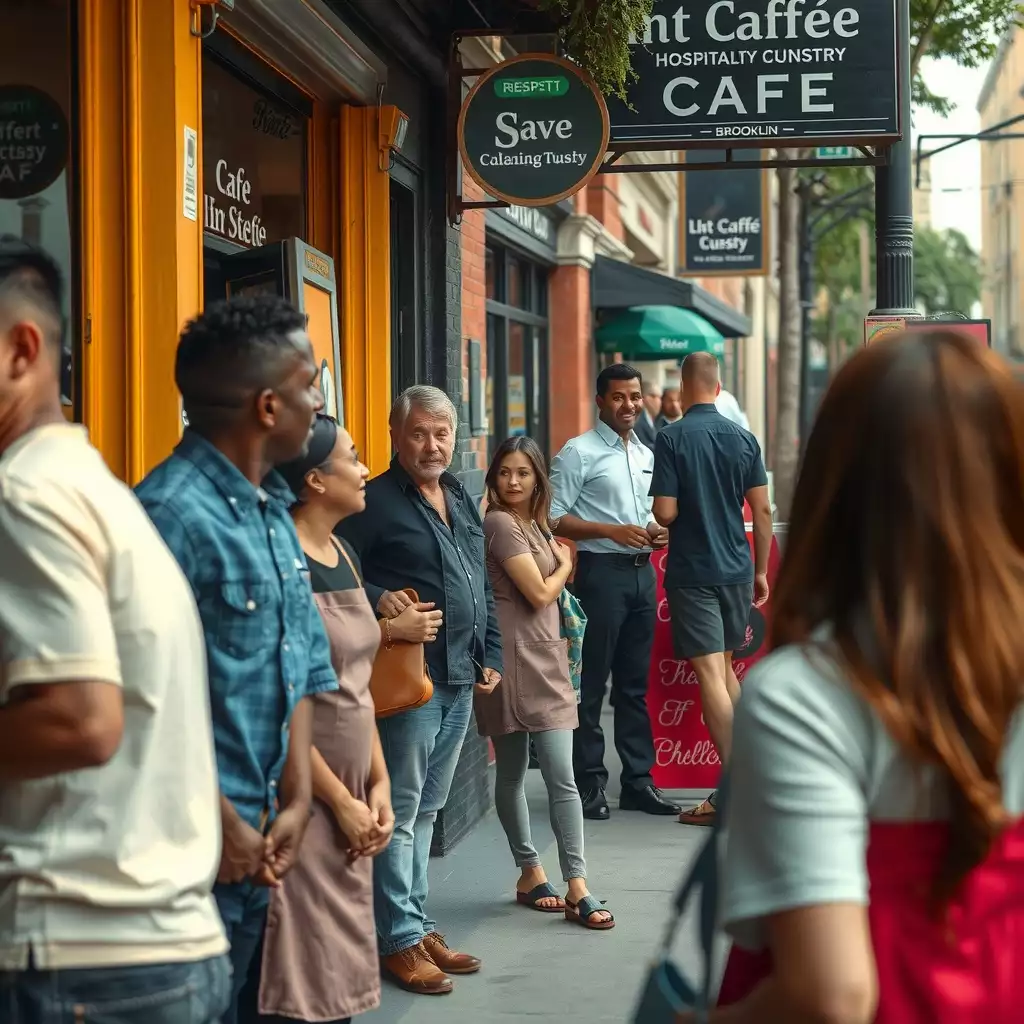
The hospitality industry in Brooklyn is facing challenges as Local Law 18 changes hiring practices. This could lead to over 21,000 job losses and a $2.5 billion drop in visitor spending. This article discusses the difficulties local businesses face due to declining tourist numbers and rising costs. It emphasizes the need for transparency and collaboration with the community during these times. Readers will learn about strategies employers are using to attract talent and motivate teams, highlighting the importance of policies that balance economic growth with housing needs in this sector.
Examining Ll18's Effects on Hiring
Local Law 18 has changed how businesses hire in Brooklyn’s hospitality scene. With a significant drop in short-term rental listings, many establishments are struggling with fewer tourists and maintaining adequate staff. As Airbnb bookings fall by around 80,000 each month, the impact extends beyond job losses; it threatens community connections that these businesses depend on. Employers must quickly adjust to this new situation while managing higher operating costs and tougher competition from traditional hotels.
In these challenging times, transparency is crucial for employers and job seekers. Businesses are creatively attracting talent by clearly communicating their expectations and opportunities as they return to standard hospitality services. Given LL18’s restrictions, building strong relationships among local businesses can create a united front against economic challenges, this approach is vital for maintaining workforce morale and ensuring long-term job security in the industry.
Statistics on Airbnb Listing Drops
Local Law 18 has led to a dramatic drop in short-term rental listings across New York City, with Airbnb experiencing a decline of over 90%. This change impacts the outer boroughs significantly, where listings fell from about 17,000 to around 1,400. As tourist numbers decrease by roughly 80,000 visitors each month due to these regulations, local businesses struggle with reduced foot traffic and face economic challenges that affect the entire community.
Experts predict this downturn could result in a $2.5 billion loss in visitor spending citywide. It also puts more than 21,000 jobs at risk and threatens nearly $902 million in wages for workers reliant on tourism income. Estimated tax revenue losses of around $96 million could impact public services like education, potentially jeopardizing resources for nearly 300 teachers. As LL18 reshapes the hospitality field, those involved in Brooklyn’s economy must confront these new realities while finding ways to adapt and succeed despite fewer opportunities.
The Pros & Cons of LL18's Economic Impact
Pros
-
LL18 cuts down on short-term rentals to help tackle housing shortages.
-
Hotels are seeing more money come in, thanks to higher prices and fuller rooms.
-
The new local law could help stabilize long-term rental markets by reducing competition from short-term rentals.
-
Stricter regulations might improve neighborhood life by lowering the number of temporary residents.
-
Hotels are generating more tax revenue because of increased occupancy and room rates.
-
Emphasizing affordable housing initiatives matches with community welfare goals.
Cons
-
The hospitality sector is set to lose over 21,000 jobs because tourism is down.
-
Small businesses are feeling the pinch with a dramatic drop in visitor spending, which totals around $5 billion across the city.
-
We're facing a tax revenue shortfall of about $96 million, putting public services like education funding at risk.
-
Housing isn't getting any better; rents keep climbing in areas that are hit hard by these changes.
-
Tourism is mainly focused on Manhattan now, leaving outer boroughs like Brooklyn missing out on economic benefits.
-
A big decrease in Airbnb listings is holding back growth for an economy that depends on having various lodging options available.
Financial Losses From Reduced Tourism
The hospitality scene in Brooklyn is at a crucial point as Local Law 18 shakes up the economy. Businesses face a projected loss of $2.5 billion in visitor spending, leading to fewer customers and operational hurdles that could force closures. We’re looking at over 21,000 job losses, translating to nearly $902 million in wages disappearing from an economy reliant on tourism.
To navigate this tough time, companies need more than quick fixes for staffing; they must consider how these new rules influence workforce management. As employers adjust to these changes while trying to maintain staff during slower periods, they also face new safety regulations that may complicate hiring Could New York’s New Safety Law Stall Your Hiring?. For many businesses, the focus isn’t just on surviving; it’s about building resilience and innovation within their teams while finding new ways to connect with the community despite shrinking resources.
Projected Job Losses and Wage Reductions
Local Law 18 could significantly impact jobs in Brooklyn’s hospitality industry. Experts predict over 21,000 job losses and a $902 million drop in wages. Businesses face challenges in retaining staff while navigating stricter regulations. Many establishments that relied on tourist traffic are seeing fewer customers, prompting them to rethink hiring and operations.
As this situation evolves, employers must remain alert and flexible, especially with rising issues around youth labor laws NY Minors Hiring Crackdown: Will Your Business Pass?. The key is maintaining economic strength while securing community support during these uncertain times. Local economies depend heavily on tourism revenue, making it crucial for businesses to adapt and survive.
Impact of Schedule Crackdowns on Hiring Trends
| Aspect | Details | Impact/Outcome | Figures/Statistics | Notes |
|---|---|---|---|---|
| Local Law 18 Enactment | Enacted in September 2023 | Regulates short-term rentals | Less than 1% of housing supply from Airbnb | Aimed at addressing housing crisis |
| Decline in Short-Term Rentals | Over 90% drop in listings | Significant reduction in tourism | From 17,000 to 1,400 listings | Affects outer boroughs like Brooklyn |
| Economic Consequences | Loss of $2.5 billion in spending | Job and wage reductions | Over 21,000 jobs lost, $902 million in wages | Impacts small businesses outside Manhattan |
| Tax Revenue Loss | Decrease in rental activity | Funding shortfall for public services | Approximately $96 million loss | Equivalent to funding nearly 300 teachers |
| Job Market Implications | Estimated losses in visitor spending | Economic downturn in outer boroughs | Over 15,700 jobs lost, $573 million less in wages | Affects local economies significantly |
| Housing Availability | Rents increased post-LL18 | No improvement in housing availability | Vacancy rates stagnant at around 1.9% | Contradicts intended purpose of LL18 |
| Hotel Industry Gains | Increased hotel prices | Financial benefits for hotels | Prices surged by approximately 6%, ADR at $524 | Occupancy rates rose by about 5% |
| Tourism Concentration Issues | Limited accommodations outside Manhattan | Clustering of tourists in Manhattan | Only 20% of NYC’s hotel rooms outside Manhattan | Reduces tourism spending opportunities |
| Recommendations for Policy | Need for reevaluation of LL18 | Balance between housing and tourism | Policies should foster tourism across boroughs | Address economic vitality concerns |
| Conclusion | LL18’s effects detrimental to hospitality | Reevaluation needed | Balancing housing needs with economic vitality | Significant impact on local business ecosystems |
Impact on City and State Funding
Local Law 18 is causing significant problems for city and state funding. The city expects to lose $96 million in tax revenue, threatening essential public services. This drop comes from a $2.5 billion decrease in tourist spending, impacting businesses that rely on hospitality.
As tourism declines, local Brooklyn businesses struggle and contribute less to the city’s budget. With fewer jobs available, economic activity slows, forcing policymakers to confront how these regulations harm neighborhoods that once thrived on visitors.
It’s crucial to reassess the long-term effects of Local Law 18 to maintain vibrant communities and strong public funding throughout the boroughs.
This situation raises questions about New York City’s priorities regarding legislation on housing issues. As job opportunities decline alongside tax income from small businesses, it’s vital to advocate for policies that support economic growth while addressing residents’ housing needs, ensuring a bright future for all affected areas.
Effects on Rental Market Dynamics
Local Law 18 has changed Brooklyn’s rental market, creating surprising effects that impact the economy. Short-term rental listings have dropped by over 90%, leading to significant shifts in demand in neighborhoods that relied on tourism. This decline points to a decrease in housing options for visitors, squeezing local hospitality businesses and cutting into profits. The environment supported by Airbnb guests is now struggling, forcing property owners to rethink pricing while facing rising vacancies.
These regulations aim to improve housing availability, they’ve unintentionally caused rents to rise in areas that had many short-term rentals. Many landlords are caught between raising costs for tenants or facing lower returns from traditional leases, complicating affordability issues across the boroughs. Vacancy rates remain low at around 1.9%, indicating that real improvements in available housing seem out of reach due to strict measures meant to protect residents.
The changing field between hotels and alternative lodging reveals gaps within the accommodation sector; hotel prices jumped about 6% after LL18 was implemented as fewer options appeared outside Manhattan. Tourists tend to stay primarily in this central area rather than spreading into other boroughs like Brooklyn and Queens, a trend that worsens inequality among local communities competing for tourist dollars but facing operational challenges from new rules.
As stakeholders examine these developing conditions within residential markets and business operations, there’s an urgent need for policymakers to reassess strategies aimed at balancing regulation enforcement with economic sustainability throughout New York City’s neighborhoods. Finding common ground between community needs and financial health requires cooperation among leaders to create flexible solutions that promote growth without undermining essential services or resident well-being, ensuring all affected regions can thrive amid ongoing challenges from stricter rental laws.
Unveiling Brooklyn's Hospitality Hiring Secrets Today
-
Brooklyn's hospitality scene has a high demand for skilled workers. Many businesses are speeding up hiring processes to quickly bring in talent.
-
Many employers in Brooklyn believe a strong social media presence can boost their chances of finding qualified candidates. That's why they're using platforms like Instagram and LinkedIn for recruitment.
-
Contrary to popular belief, not every job in hospitality requires years of experience. Many places in Brooklyn focus more on personality and team fit rather than traditional credentials, making it easier for newcomers to enter the industry.
-
More restaurants and hotels in Brooklyn are offering flexible work schedules, attracting a wide range of applicants, including students and those seeking part-time jobs.
-
Some hospitality businesses in Brooklyn use "trial shifts" where potential hires can demonstrate their skills on the job. This approach helps employers assess both abilities and team fit before making a final decision.
Gains for Hotels Amid LL18 Changes
The hotel scene in Brooklyn is experiencing a boost due to Local Law 18, as short-term rental options have dropped significantly. With Airbnb listings down over 90%, hotels are seeing increased demand as tourists turn to traditional lodging. Hotel prices have risen about 6%, reaching an average daily rate (ADR) of $524, a clear indication that reduced competition leads to higher profits for established hotels.
Occupancy rates have also increased by roughly five percent during this period, placing hotels in a strong position given the new LL18 restrictions on short-term rentals. While these gains appear favorable, they highlight important issues around hiring and managing staff within the industry; understanding these factors is crucial when examining overall employment trends Brooklyn Job Quality Report: What it Missed About Hiring. The link between rising revenue and staffing needs will require careful planning from hoteliers who seek not just quick financial wins but also sustainable growth as market conditions evolve.
Reevaluating Regulations for Balance
Local Law 18 recently passed, prompting a rethink of how housing rules and economic growth can work together in Brooklyn’s hospitality scene. Short-term rental listings have dropped sharply, and the goal of increasing housing availability is overshadowed by significant losses in tourism income and job opportunities. An estimated $2.5 billion is expected to vanish from local economies due to reduced visitor spending, putting businesses at risk.
As hotel occupancy rates rise with fewer options outside Manhattan, regulations must be flexible. The increase in hotel prices highlights an imbalance caused by LL18; while some hotels benefit, others face serious challenges due to fewer guests and wage cuts totaling over $900 million statewide. Policymakers should facilitate discussions among industry leaders to create solutions that support both affordable housing and strong tourism, aiming for a collaborative approach that aligns community needs with economic health.
Reevaluating Ll18's Impact
Local Law 18 has far-reaching effects on housing rules and the economic health of Brooklyn’s hospitality industry. Short-term rental listings have dropped by over 90% in some neighborhoods, meaning local residents aren’t seeing the expected benefits. Instead, tourism revenue and job opportunities are declining.
Job losses could exceed 21,000 in Brooklyn, leading to a $902 million drop in wages statewide. As businesses struggle to stay open and attract guests, community engagement weakens. Neighborhoods that thrived on Airbnb now face rising costs without improvements in housing availability or affordability. Policymakers need to rethink how they balance regulations with economic stability.
With hotel prices rising due to fewer accommodation options outside Manhattan, traditional hotels may benefit temporarily at the expense of overall industry health. This does not address staffing shortages or ensure fair access for communities competing for tourist spending. Stakeholders, business owners and employees, must consider how Local Law 18 affects them during these challenging times.
Revisiting Local Law 18 presents an opportunity to find flexible solutions that address current issues and future workforce needs within the hospitality sector. By focusing on adaptable strategies rather than strict regulations, stakeholders can work together toward sustainable practices that benefit both communities and businesses amid ongoing changes in rental markets.
FAQ
What is Local Law 18, and what are its primary objectives?
Local Law 18 is a rule in New York City designed to address the housing crisis by regulating short-term rentals, especially those on sites like Airbnb.
How has the implementation of LL18 affected the number of short-term rentals in Brooklyn?
LL18 has cut short-term rentals in Brooklyn by over 90%, leading to a drop in Airbnb listings.
What economic impacts does LL18 have on small businesses and job opportunities in the hospitality sector?
LL18 reduces job opportunities and harms small businesses in the hospitality sector. It leads to a drop in short-term rental activity, resulting in less money spent by visitors and potential job losses.
What changes have occurred in hotel pricing and occupancy rates since the enactment of LL18?
Since LL18 was enacted, hotel prices increased by 6%, and occupancy rates rose by 5%.
How does LL18 influence tax revenue and public services funding for New York City?
LL18 impacts tax revenue and funding for public services in New York City, leading to an estimated loss of $96 million due to a drop in short-term rental activity. This decline affects the money available for crucial services like education.
What recommendations are suggested for policymakers to address the challenges posed by LL18?
Policymakers should reevaluate how Local Law 18 impacts the hospitality industry and the economy. They need to create policies that manage short-term rentals while promoting tourism in all boroughs, ensuring housing needs and affordability remain priorities.