
Are Brooklyn Schedules Ready for NYC Fair Work Rules?
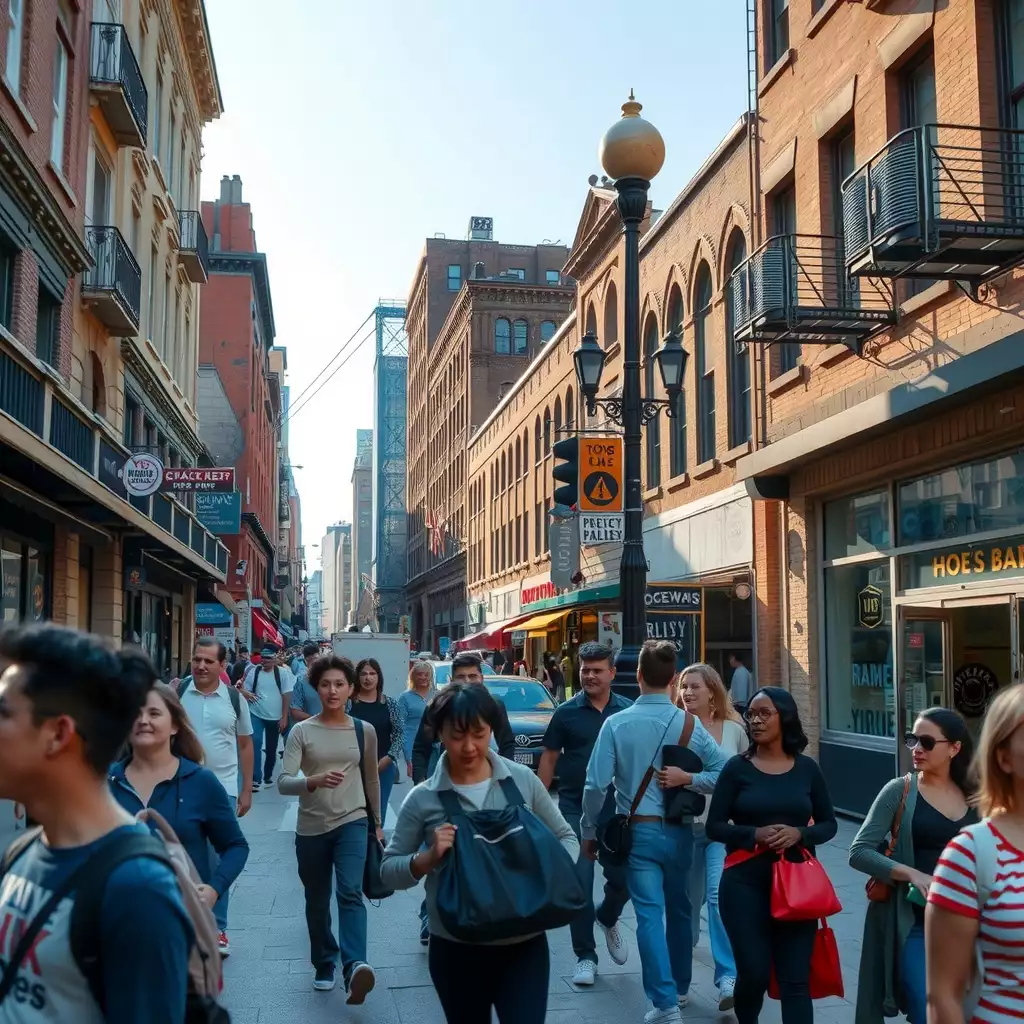
Brooklyn businesses are facing challenges as they adapt to NYC’s Fair Workweek Law. Many are not ready for the changes in employee scheduling. The law requires employers to provide schedules at least 72 hours in advance, leading to difficulties and possible fines for non-compliance. This situation highlights the need for more education and support, as understanding these rules is essential for legal compliance and creating a workplace that values employee well-being.
Key Provisions Affecting Scheduling Practices
The NYC Fair Workweek Law changes how retail businesses in Brooklyn manage employee schedules. Employers must provide workers with their schedules at least 72 hours in advance. This notice helps employees plan their personal lives and reduces stress from sudden schedule shifts. Failure to comply can lead to unhappy employees and potential fines.
If an employer changes a worker’s schedule with less than 72 hours’ notice, they must pay extra compensation. This policy holds businesses accountable and ensures fair pay for unexpected changes. Workers now have the right to request flexible work arrangements without fear of negative reactions from management, fostering a more supportive workplace.
For business owners adapting to these rules, compliance is essential for legal adherence and building a positive company culture. Resources like Brooklyn Labor Regulations Employers Must Know can guide them in making necessary adjustments while aligning with laws that protect workers’ rights and promote fairness in the industry.
Essential Steps for Retail Compliance
To comply with the NYC Fair Workweek Law, retail employers need a clear approach starting with straightforward scheduling policies. These policies should explain how schedules are made and shared with employees, ensuring everyone knows what to expect. Training sessions can help staff understand these guidelines. When workers feel informed about their rights and responsibilities, it boosts morale and keeps businesses compliant.
Another key step is using technology for better communication of work schedules. User-friendly software can track employee requests and simplify shift notifications. Involving employees in discussions about their scheduling preferences fosters a positive workplace culture. Regularly checking scheduling practices against legal standards ensures ongoing compliance while holding management and staff accountable as they adapt to these new rules together.
The Pros & Cons of Predictable Work Schedules
Pros
-
Employees can better plan their personal lives because they have more predictable schedules.
-
Workers are safeguarded from retaliation when they ask for schedule adjustments or report any violations.
-
The inclusion of paid sick leave boosts job security, which in turn lifts employee morale.
-
Employers see a rise in employee satisfaction, which may help lower turnover rates.
Cons
-
Businesses might find it tough to adjust their scheduling methods to meet new rules.
-
Some employers are hesitant to make changes because they worry about losing flexibility and profits.
-
It's important for both employees and employers to keep learning about their rights and responsibilities.
-
Keeping track of compliance can add extra paperwork for retail employers.
How Compliance is Monitored and Enforced
The Division of Labor Standards ensures compliance with the NYC Fair Workweek Law. This division upholds labor laws by investigating complaints from employees about scheduling or wage theft, protecting workers’ rights and discouraging violations. It also encourages employees to voice concerns, promoting accountability.
Businesses that fail to comply face serious penalties, including hefty fines and potential criminal charges for repeated violations, like wage theft classified as larceny under New York State law.
To adhere to these guidelines, companies should foster a culture of openness regarding scheduling and employee rights through regular training and clear communication. Utilizing technology for schedule management and conducting routine regulatory checks helps businesses remain compliant while creating a positive workplace atmosphere. These measures reduce risks of violations and build trust and morale among employees, which is vital in Brooklyn’s competitive retail scene.
Benefits and Protections for Employees
The NYC Fair Workweek Law improves the rights of retail workers in Brooklyn, creating a more predictable work environment. Employees now receive their schedules at least 72 hours before shifts, helping them balance personal commitments and reducing stress from last-minute changes.
The law also protects workers from retaliation when they request flexible scheduling or raise concerns about violations. These protections encourage open communication between staff and management, fostering a culture that values employee well-being. Recent rules granting paid sick leave based on company size further enhance job security during health issues, improving workers’ quality of life.
As labor standards evolve in New York City’s retail scene, businesses and employees must recognize these benefits as essential to fair working conditions. By adopting these laws, companies comply with regulations while building trust and boosting morale, key factors for success in today’s competitive market.
Assessing Compliance with NYC Fair Work Standards
| Aspect | Requirement/Provision | Implication for Workers | Compliance Measures | Enforcement Mechanism | Challenges Ahead |
|---|---|---|---|---|---|
| Advance Notice | Schedules must be provided at least 72 hours in advance | Predictable work schedules | Posting employee rights notice | Investigations into complaints | Adjustment periods for businesses |
| Schedule Changes | Compensation required for changes with less than 72 hours | Protection against sudden schedule changes | Utilize compliance tools from the city | Penalties for non-compliance | Potential pushback from employers |
| Right to Request Changes | Employees can request flexible arrangements | Enhanced job satisfaction and stability | Training management on new rules | Wage theft classified as larceny | Need for continuous education |
| Posting Employee Rights | Must display "You Have a Right to a Predictable Work Schedule" | Awareness of workers’ rights | Ensure notices are available in multiple languages | Fines for repeated violations | Resistance to change from some employers |
| Training and Awareness | Management must be trained on new regulations | Better communication of rights | Conduct training sessions for staff | Ongoing monitoring of compliance | Ensuring understanding of policies |
| Paid Sick Leave Provisions | Entitlement based on employer size and income levels | Improved job security and health benefits | Regular audits of scheduling practices | Legal counsel for complex issues | Balancing operational flexibility |
Potential Obstacles in Implementation
The shift to the NYC Fair Workweek Law presents challenges for retail employers in Brooklyn. Many businesses may encounter obstacles as they change their scheduling practices. If they are unfamiliar with the legal requirements, compliance issues can arise. Employers may struggle to understand how these laws apply and incorporate them into their operations without disrupting workflow or employee satisfaction.
Management resistance is another hurdle to implementation. Some business owners view these regulations as restrictions on their flexibility, fearing that strict advance notice rules will hinder staffing adjustments or quick responses to customer demand. This creates tension between the need for flexibility and the law’s focus on stability and predictability for employees.
Ongoing education is crucial as labor standards evolve. Both employers and employees must learn about their rights, responsibilities, and best practices under these new rules. Without proper training resources or access to information, like workshops or info sessions, misunderstandings can arise, increasing tensions. It’s vital for all parties to commit to educational initiatives so businesses can navigate this complex situation while ensuring fairness in the workplace.
Effective Strategies for Compliance
To follow the NYC Fair Workweek Law, retail employers must create clear scheduling policies that explain how work schedules are created and shared. Employees need to understand their rights regarding advance notice of shifts. Regular training sessions can help managers and staff grasp these guidelines, fostering a comfortable workplace. Using technology for schedule management simplifies communication and helps businesses track employee requests for changes, key to maintaining a harmonious work environment.
Employers should involve their team by keeping lines of communication open about scheduling preferences and concerns. This ongoing conversation builds a supportive culture where everyone’s opinions matter. Conducting regular audits against legal standards is a proactive step toward compliance, allowing businesses to identify potential issues before they escalate or lead to penalties. Everyone must be committed to ensuring adherence.
As part of the discussion on labor regulations affecting Brooklyn’s retail scene, business owners should consider other related factors like pay structures under New York law. Reviewing resources like New York Pay Rules: Are Your Salaries Now Non-compliant? can provide insights into aligning pay practices with current laws while implementing effective scheduling strategies that promote fair work across the industry.
Brooklyn Navigates NYC's Fair Work Landscape
-
Many workers in Brooklyn know that NYC's Fair Work Rules require employers to give work schedules at least two weeks ahead of time. This helps everyone plan their lives better.
-
Some employers wrongly think the Fair Work Rules only apply to large companies, but these rules affect all businesses with a certain number of employees, promoting fair treatment across fields.
-
The community is discussing how the Fair Work Rules boost job security by ensuring employers pay workers for last-minute schedule changes or cancellations, reducing financial stress.
-
There's a belief that flexible work arrangements can't coexist with the Fair Work Rules; yet, many businesses find they can offer flexibility while following these scheduling guidelines, resulting in happier and more productive employees.
-
Workers in Brooklyn are using digital platforms to learn about their rights under the Fair Work Rules. This knowledge empowers them to advocate for better working conditions and hold employers accountable.
Utilizing Tools to Streamline Processes
Employers in Brooklyn can boost compliance with the NYC Fair Workweek Law using tech solutions for scheduling. Implementing workforce management software allows businesses to communicate effectively, share schedules, and handle shift changes while adhering to the 72-hour notice rule. These tools provide real-time updates and enable employees to request schedule changes easily, fostering a collaborative atmosphere. This proactive approach minimizes confusion and promotes transparency as employers keep everything organized within legal guidelines.
To technology, thorough training programs are crucial for applying fair work practices. When managers and staff understand employee rights under the Fair Workweek Law and have access to necessary notice templates, businesses foster a culture of awareness that ensures compliance at all levels. Regular workshops or informational sessions empower teams to meet legal requirements and boost morale through open discussions about scheduling preferences and concerns. By combining education with technology, companies create a solid foundation that meets workers’ needs and business goals in Brooklyn’s retail sector.
Fostering Communication and Feedback
Good communication and feedback are key to adapting to the NYC Fair Workweek Law. Employers should create a space where employees feel safe sharing their thoughts about scheduling and concerns about their rights. By encouraging open conversations, businesses can identify areas for improvement and learn what makes employees happier at work. Regular check-ins or anonymous surveys allow workers to share how new policies affect them.
Training sessions on labor laws help management understand the rules and empower employees by informing them of their rights. Workshops focused on communication build a culture of transparency, allowing issues to be addressed quickly before they escalate. This approach builds trust; when employees know their voices matter, they become more invested in maintaining a positive workplace.
As Brooklyn adapts to these changes, it’s important for employers to pay attention to hiring practices given recent updates in recruitment laws. Understanding how these rules connect is crucial for success; reviewing resources like Is Brooklyn’s New Hiring Rule About to Catch You Out? will offer valuable insights on avoiding mistakes related to non-compliance during this transition period.
Navigating Brooklyn's Labor Landscape Effectively
To meet the NYC Fair Workweek Law, retail employers in Brooklyn must adopt an organized approach to scheduling. Clear policies for predictable work hours can reduce employee stress and improve operations. Workers should receive advance notice of their shifts, at least 72 hours ahead, to manage personal and professional commitments effectively. This predictability boosts employee satisfaction and fosters a workplace culture where staff feel respected, leading to better productivity.
Establishing open communication between management and employees is crucial as everyone adapts to these rules. Employers should regularly discuss scheduling preferences so team members feel comfortable sharing concerns without fear of negative consequences. Training sessions and tech tools can help share information on labor rights, fostering trust and cooperation. By adopting these strategies and ensuring compliance, businesses can create a fairer workplace environment that benefits Brooklyn’s retail scene.
FAQ
What are the main requirements of the NYC Fair Workweek Law for retail employers?
New York City’s Fair Workweek Law sets rules for retail employers. They must provide work schedules to employees at least 72 hours in advance. If changes are made with less than 72 hours’ notice, employers must compensate workers. Employees can request flexible working arrangements without fear of backlash from their bosses.
How does the Fair Workweek Law protect employees from retaliation when requesting schedule changes?
The Fair Workweek Law allows employees to request schedule changes without fear of punishment. Employers cannot retaliate against workers who make these requests.
What penalties do employers face for non-compliance with the Fair Workweek Law?
Employers can face fines or penalties for not following the Fair Workweek Law. Consequences can increase for repeated violations or serious infractions.
What strategies can retail employers implement to ensure compliance with the new scheduling regulations?
Retail employers are implementing strategies to manage scheduling. They’re creating clear scheduling policies, using technology for communication, and involving employees in scheduling discussions. They also monitor compliance and consult legal experts to follow new scheduling rules.
How does the Fair Workweek Law enhance job security for workers in Brooklyn's retail sector?
The Fair Workweek Law boosts job security for retail workers in Brooklyn by providing predictable schedules. It protects them from retaliation when they request schedule changes and ensures they receive paid sick leave. This creates a more stable work environment.