
NY Minors Hiring Crackdown: Will Your Business Pass?
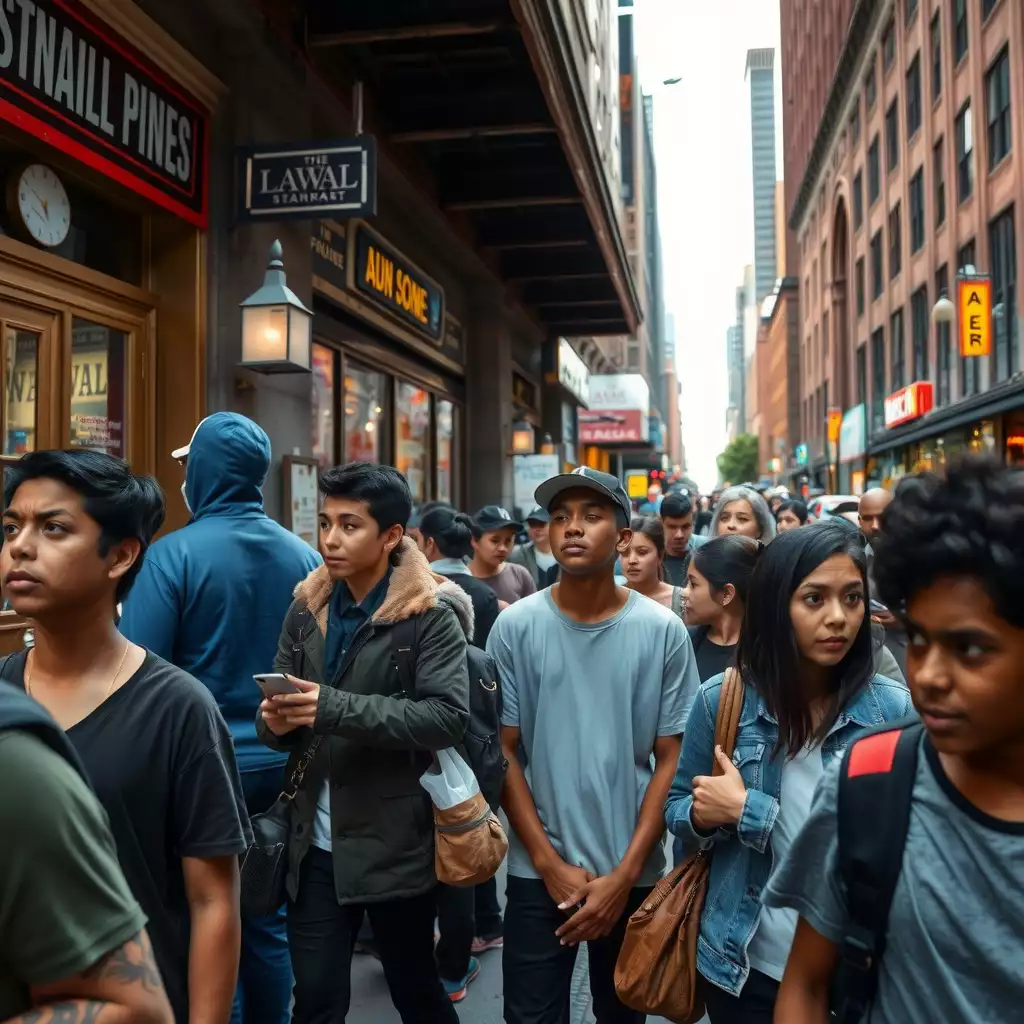
With New York focusing on youth employment, businesses face a crucial decision: will they comply with laws regarding young workers? These regulations require valid Employment Certificates and set limits on working hours based on age. Employers must act quickly to stay in line with the rules. The state’s Department of Labor is increasing inspections, especially in industries like hospitality and retail where violations occur. Companies that establish solid hiring practices, provide training for their HR teams, and maintain careful records can reduce the risk of fines while building a reputation as responsible employers committed to ethical standards. Those who make changes now will adapt to these new regulations.
Understanding New York's Regulations for Minors
Understanding New York’s labor laws for minors is crucial for business owners hiring young workers responsibly. These regulations outline who can be employed and the conditions under which they may work. Employers must ensure that all young employees have valid Employment Certificates as proof of age and parental consent. Knowing the limits on working hours based on age helps you stay compliant and avoid legal issues.
Businesses should be aware of jobs that are off-limits due to being hazardous for minors. Roles involving dangerous machinery or toxic substances cannot be assigned to these individuals. By establishing strong hiring practices that emphasize proper documentation and regular training for HR teams, employers foster an ethical workplace culture while reducing risks associated with non-compliance during inspections by regulatory agencies. This proactive strategy ensures your business meets New York’s regulations while providing safe job opportunities for young people.
Recent Changes in the Enforcement of Laws
New York’s crackdown on hiring minors marks a significant change in labor law enforcement across various industries. With rising concerns about child labor violations in hospitality and retail, the state’s Department of Labor is increasing inspections. Employers can expect more visits aimed at identifying violations related to age restrictions and work permits. These actions are complemented by public awareness campaigns that help business owners understand their legal responsibilities, promoting fair employment practices.
As enforcement efforts increase, businesses must review their hiring processes for young workers. This includes ensuring all necessary permits are obtained before hiring anyone underage and training HR staff on youth labor laws. Keeping detailed records of minors’ working hours and job roles will be crucial during audits or investigations by regulatory agencies. By taking these proactive steps, companies can reduce the risk of penalties and build a reputation as responsible employers who protect young people entering the workforce.
The Pros & Cons of Hiring Minors in NY
Pros
-
Hiring young workers gives businesses a flexible team that can easily adjust to changing demands.
-
Young employees often bring new ideas and enthusiasm to the job.
-
Bringing in minors helps connect with the community and supports youth growth through valuable work experience.
-
Companies can save on labor costs by hiring younger staff.
Cons
-
Following child labor laws can make operations more complicated and increase paperwork.
-
Breaking these laws can result in hefty fines and legal trouble for companies.
-
If businesses don’t comply or provide safe working conditions for young workers, they risk damaging their reputation.
-
The restrictions on how many hours minors can work might limit scheduling options and reduce overall productivity.
Steps to Ensure Adherence to Regulations
To comply with New York’s labor laws for minors, businesses should take a clear approach. Start by auditing your hiring practices to ensure you secure all necessary Employment Certificates before bringing young workers on board. Keep detailed records of each minor’s working hours and tasks; these documents prove that you’re following the law and protect you from legal issues during inspections.
Make training a priority for HR staff and managers, focusing on key aspects of child labor regulations. Regular workshops can help everyone understand age restrictions, allowed job roles, and work hour limits for youth employees. Encourage discussions about ethical hiring practices so staff members remain alert to potential compliance risks. By taking these steps, your business will meet state requirements while building a reputation for responsible employment practices that prioritize the well-being of young workers.
Consequences for Failing to Follow Laws
Ignoring New York’s strict child labor laws can have serious consequences for businesses. Non-compliance can lead to hefty fines ranging from hundreds to thousands of dollars, depending on the severity and frequency of violations. Beyond financial penalties, your business reputation may suffer, causing customers who value ethical practices to reconsider working with you.
Parents or employees could also take legal action if rules are broken, adding financial stress and further damaging your image. Increased scrutiny from regulatory bodies can disrupt daily operations during investigations, leading to delays and reduced productivity. This pressure on HR departments creates uncertainty among staff regarding compliance, which is detrimental when trying to grow your team.
In short, overlooking these regulations is a mistake that can have lasting effects on your business operations and community reputation.
Compliance Checklist: Are You Ready?
| Aspect | Details | Age Restrictions | Required Documentation | Consequences of Non-Compliance |
|---|---|---|---|---|
| Employment Age Limit | Minors under 14 are prohibited from working. | 14-15: Limited hours; 16-17: Fewer limits | Employment Certificate (working papers) | Fines ranging from hundreds to thousands |
| Working Hours | 14-15 year-olds can work a max of 3 hours on school days, 8 hours on non-school days. | Parental consent required | Reputational damage | |
| Prohibited Occupations | Jobs involving heavy machinery or hazardous substances are not allowed for minors. | Verification of age required | Potential lawsuits | |
| Inspections | Increased inspections by the Department of Labor across sectors employing minors. | Maintenance of thorough records | Operational disruptions | |
| Training Programs | Implement training for managers on child labor laws and ethical hiring practices. | |||
| Risk Assessment | Evaluate job roles to avoid hazardous positions for minors. | |||
| Community Engagement | Participate in local business communities for best practices surrounding youth employment. | |||
| Technology Solutions | Invest in HR management systems to track employee certifications/permits. | |||
| Legal Consultation | Consult legal experts to review company policies related to minor employment. |
Educating Staff on Hiring Minors Safely
Creating a culture of safe and responsible hiring for minors starts with educating your team. HR staff and managers must receive training on New York’s child labor laws, including age restrictions, necessary permits, and suitable job roles for young workers. Regular workshops can reinforce this knowledge, allowing team members to ask questions or discuss compliance challenges. Open discussions about ethical hiring practices help your team identify potential issues before they escalate.
Providing resources like guides or online compliance tools can simplify understanding these laws. Encourage an environment where questions are welcomed; this promotes awareness and reduces non-compliance risks. When everyone understands their role in following youth employment laws, it benefits the organization by increasing overall awareness.
Consider establishing a mentorship program where experienced employees guide newcomers through the complexities of working with minors. This support reinforces best practices and demonstrates a commitment to ethical workplace policies. When newer team members feel supported by seasoned colleagues who prioritize compliance, they are more likely to adopt those values.
As part of this educational effort, keep all documentation organized and accessible so staff can quickly find important information during onboarding or performance reviews involving young workers. Consistent record-keeping is not just legally required; it’s essential for creating a fair work atmosphere that supports personal growth and professional development for younger individuals entering the workforce.
Maintaining Records for Compliance Audits
Setting up a solid record-keeping system is crucial for businesses in New York that hire minors. Keeping accurate records of each young worker’s Employment Certificate, hours worked, and job duties helps you stay compliant during audits and protects you from legal issues. Organize these records for easy access so you can quickly respond to regulatory inquiries. This proactive strategy reduces the chances of penalties while promoting ethical hiring practices.
Understanding how to classify workers correctly affects your business operations. Misclassifying employees can lead to serious consequences, including financial fines and unwanted attention from labor regulators. Regularly review your classification processes to ensure they meet regulations, consider using resources like our guide on Get Worker Classification Right in Brooklyn for clarity on compliance requirements. By maintaining thorough records and ensuring proper classifications, you’ll strengthen your company’s commitment to lawful employment practices and enhance its reputation within the community.
Uncovering Myths Around New York's Hiring Laws
-
Many business owners think they can’t hire minors in New York, but the law has specific exceptions and rules that they can work with if they understand them.
-
Some employers believe they can pay minors less than minimum wage, thinking youth employment laws offer a discount on labor; yet, New York requires all workers to earn at least minimum wage, regardless of age.
-
There’s a belief that once someone turns 18, they can take any job without restrictions. In reality, some fields like construction and hazardous jobs still have age-related limits for safety.
-
Employers often think getting working papers for minors is tough, but it’s usually an easy process involving simple forms and parental consent, making it manageable for businesses.
-
Some companies mistakenly believe they can ignore state rules about how many hours minors work during school days; yet, New York law strictly controls the hours to protect education.
Building Partnerships for Better Compliance
Building strategic partnerships in your community can improve how you handle youth employment laws in New York. By teaming up with local business groups, schools, and organizations that promote fair labor practices, you’ll access resources and insights that simplify understanding child labor regulations. These connections encourage knowledge sharing and create a support network for exchanging best practices in responsibly hiring minors. Discussing compliance issues with others facing similar challenges allows everyone to learn from each other’s experiences, leading to solutions that meet legal requirements while protecting young workers.
Consider joining workshops or seminars hosted by these partners, as they often share the latest updates from regulatory agencies. This proactive step keeps your organization informed about law changes before they affect operations. Seek mentorship opportunities with established businesses familiar with compliant hiring processes; these relationships build accountability and promote adherence among staff involved in youth employment decisions.
By pursuing collaborations within your industry and beyond, you’ll foster a culture of transparency around compliance, a crucial factor during audits or inspections by state authorities. The power of these partnerships provides practical tools needed to maintain an ethical workplace environment that supports young individuals starting their careers while safeguarding your company against potential violations.
Final Thoughts on Youth Employment Challenges
Tackling youth employment issues in New York requires a smart approach that emphasizes ethical hiring practices. As businesses adjust to new regulations, employers must establish clear guidelines for hiring minors. This includes obtaining the right permits, keeping accurate records of hours worked, and ensuring job roles fit their age group. Strong policies for younger workers can reduce the risk of rule violations while creating a safe work environment.
To understand how to hire minors effectively, check out resources like Brooklyn Hiring Documentation Policies for Employers. These guides offer tips on organizing documentation according to state laws. Building a culture of transparency empowers HR teams and encourages accountability among those involved in hiring. When everyone knows their responsibilities, you create a compliant organization better equipped to thrive in today’s job market.
FAQ
What age restrictions will you need to consider when hiring minors in New York?
When hiring minors in New York, kids under 14 usually can’t work. Those aged 14 to 15 can work limited hours during school days and more during vacations. Teens aged 16 to 17 have looser rules but still can’t take on hazardous jobs.
How will you ensure that all necessary permits are obtained before employing minors?
1. Create a process to check age and obtain Employment Certificates for every minor before hiring, ensuring compliance with New York’s child labor laws.
What steps can you take to maintain compliance with child labor laws and avoid penalties?
To comply with child labor laws and avoid penalties, regularly check your hiring practices. Obtain the necessary permits, establish training programs for staff, and maintain detailed records of minors’ employment.
How will you stay informed about changes in youth employment legislation moving forward?
Stay updated on changes in youth employment laws by subscribing to government updates and newsletters from industry associations.